By SUZANNE DOWNING
Sept. 17, 2026 – Ted Stevens Anchorage International Airport is entering another period of major growth, with passenger traffic climbing nearly 9%, cargo volume increasing by more than 10%, new airlines and routes arriving, and hundreds of millions of dollars in public and private investment moving forward.
A newly released Alaska International Airport System development report describes the first half of 2026 as a period of “exceptional growth, investment, and strategic advancement” for the state-owned Anchorage and Fairbanks international airports.
Anchorage handled 2.66 million passenger operations from January through June, up from 2.45 million during the same six months of 2025. That amounts to growth of approximately 9%, even though much of the reporting period covered Anchorage’s traditionally slower winter and spring travel seasons.
The report said the additional passengers and airline seats have placed Anchorage among the fastest-growing airports in the United States for added seat capacity.
Southwest Airlines entered the Alaska market for the first time in May, offering daily seasonal flights between Anchorage and Denver and Las Vegas. The airline signed a 10-year operating agreement with the airport and installed self-service kiosks and other passenger-processing equipment.
Alaska Airlines added seasonal nonstop flights from Anchorage to Boston, Boise and Spokane. American Airlines restored daily Phoenix service that had been suspended in 2021, while United Airlines increased its Denver schedule from two flights per day to three.
Anchorage also gained new regional service. Yute Commuter Service began daily flights to Soldotna in June, while Fox Air proposed as many as eight daily flights between Anchorage and Kenai. Airport officials said the developments indicate that Alaska’s regional airline market may be regaining strength after several years of instability.
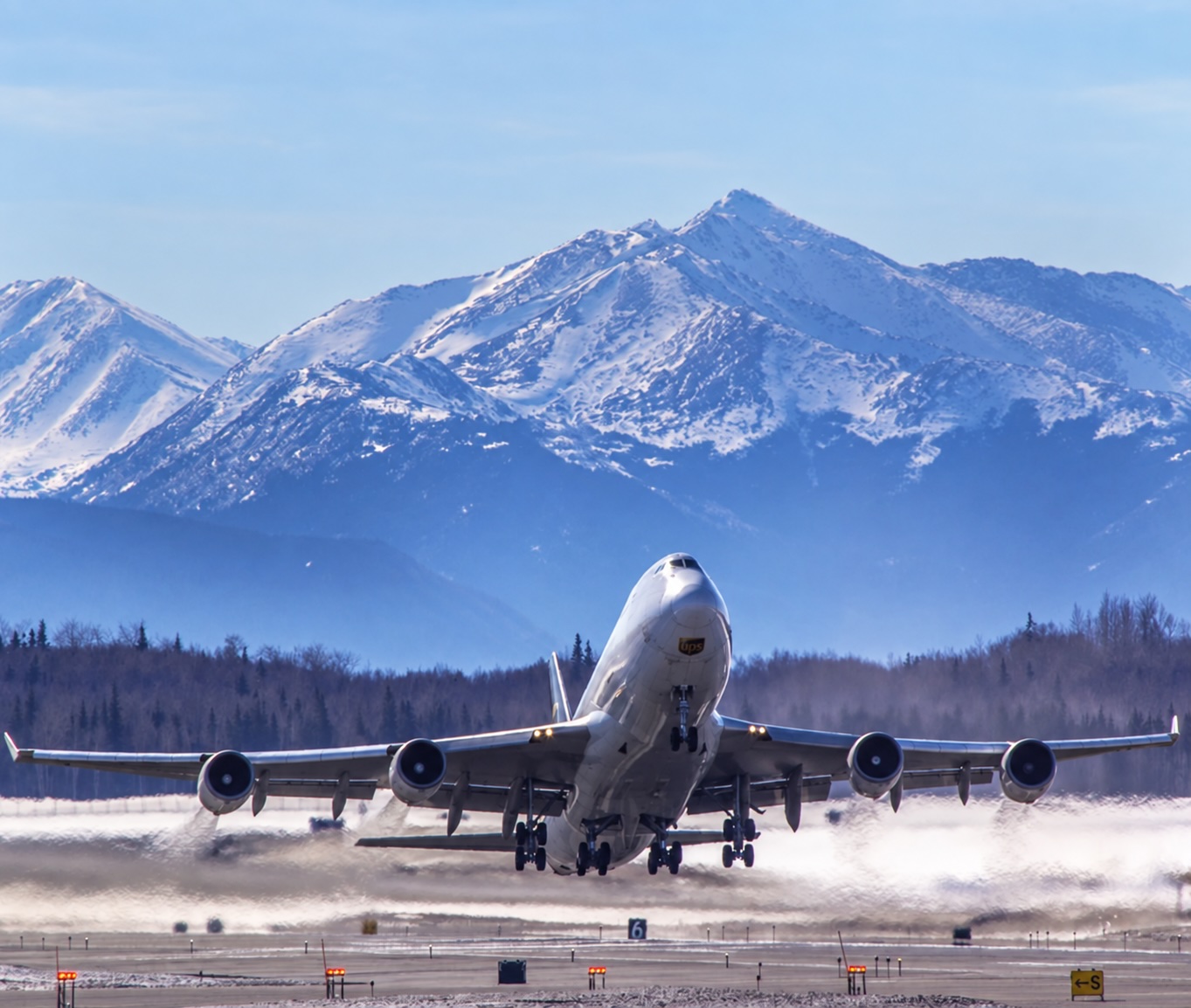
The airport’s global cargo business also expanded sharply.
Anchorage handled nearly 1.95 million metric tons of cargo during the first half of 2026, up from approximately 1.77 million metric tons during the same period last year. That represents an increase of about 10%.
Ted Stevens Anchorage International Airport retained its position as the busiest cargo airport in North America and the third-busiest cargo airport in the world. It handled more than 3.85 million metric tons of freight during 2025.
Anchorage’s geographic position along the shortest air routes between Asia and North America continues to make the airport a critical international refueling and cargo-transfer point. Demand for e-commerce and other time-sensitive freight also remained strong despite political and economic uncertainty during the first half of the year.
Airport officials are preparing for additional growth with a $126 million investment in nine new airport-administered aircraft parking positions. The hardstands will include lighting, underground fueling and pull-through parking configurations designed for large cargo aircraft.
Private developers are also advancing several major projects on airport land.
Tsin’a LLC entered negotiations for a 55-year lease to develop an estimated $105 million hotel between the airport’s North and South terminals. If completed, the project would add lodging and traveler amenities directly on airport property.
Alaska Airport Partners is working through permitting for a West Airpark development that includes six aircraft hardstands. The lease is already generating more than $225,000 per year for the airport.
NorthLink Aviation, which broke ground on its South Airpark cargo development in 2023, plans to have the first phase of its hardstand development well underway by summer 2027. Its 55-year lease has generated approximately $925,000 in revenue.
Alaska Cold Cargo Storage completed trenching work earlier this year and expects full construction to begin next spring on a refrigerated warehouse and aircraft-hardstand development. That lease is producing approximately $228,000 in annual airport revenue.
The airport also completed agreements expected to generate millions of dollars in additional revenue. A seven-year advertising concession with Alaska Channel is projected to bring in at least $6.3 million. New rental-car concession agreements guarantee more than $8.25 million in first-year revenue, while a three-year extension of the Transportation Security Administration’s office lease will produce about $521,000 annually.
Passengers are beginning to see smaller improvements inside the terminal as well. United and Southwest installed new ticketing kiosks, Alaska Airlines reconfigured space for wheelchair operations, and the airport began testing autonomous wheelchairs in partnership with NANA Management Services and WHILL.
Federal funding will pay for replacement passenger boarding bridges at gates N1 and C3, along with upgraded ground-power equipment. The airport is also moving forward with visual paging monitors and passenger input stations intended to improve accessibility throughout the terminal.
The Alaska International Airport System secured nearly $79 million in federal grants for Anchorage, Lake Hood and Fairbanks projects during federal fiscal year 2026. Approximately $65.4 million was designated for Anchorage and Lake Hood, according to the report.
At Lake Hood, airport officials approved projects representing about $10 million in private investment, including a new hangar development and continued redevelopment of airport property.
The airport has also completed a new master plan establishing a 20-year framework for accommodating passenger, cargo and operational growth.
Airport officials said the first-half results position the system to surpass its previous annual passenger record while strengthening one of Alaska’s most important economic assets.
The report concludes that the growth extends well beyond the aviation industry, supporting tourism, commerce, resource development and access to communities across Alaska.