



By SUZANNE DOWNING
April 3, 2026 – More public employees are unionizing in a state already heavily unionized.
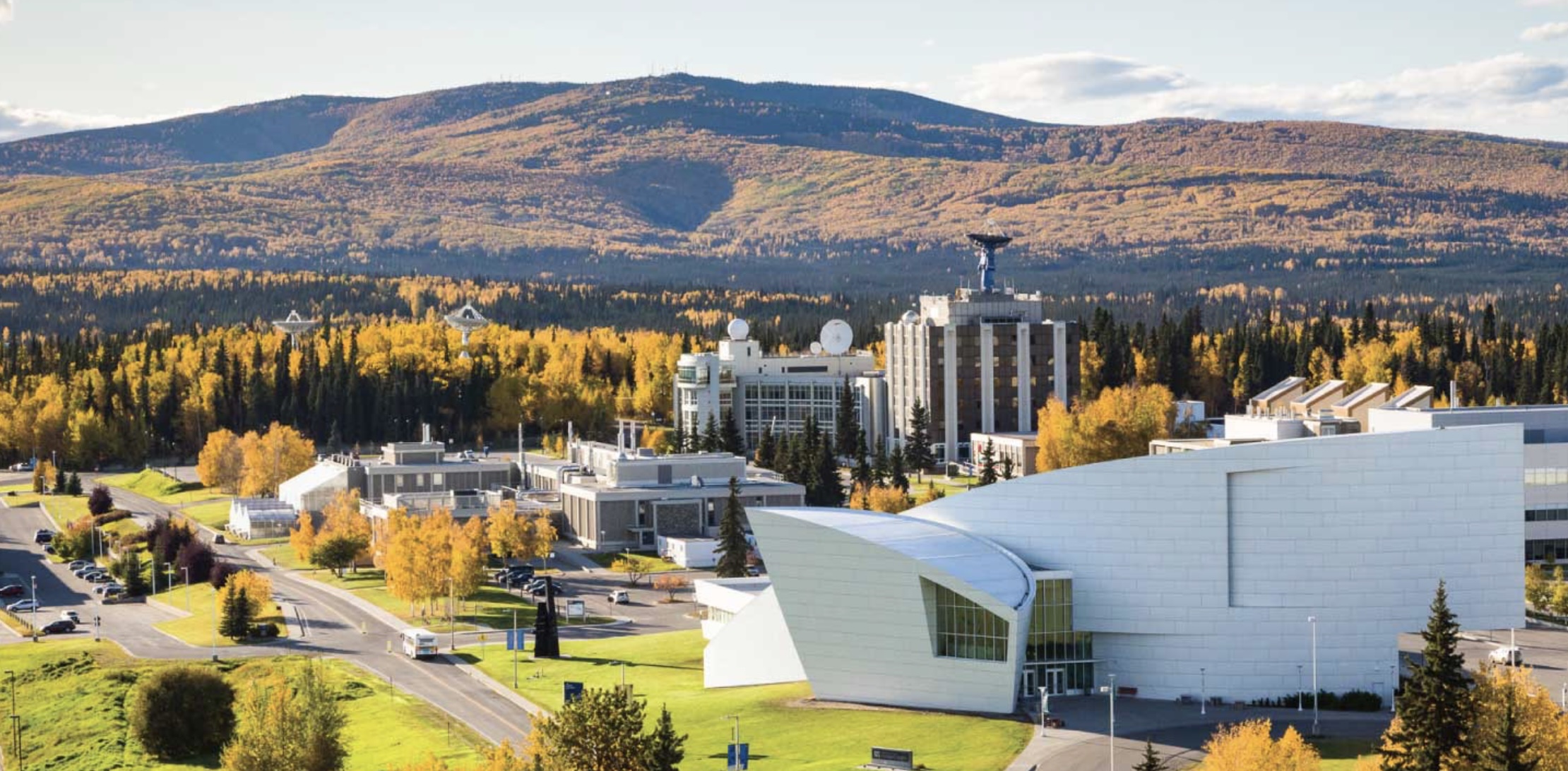
Staff employees across the University of Alaska have voted to unionize, creating what will become the largest employee bargaining unit in the university system. But the vote, while decisive, fell short of a sweeping mandate and it sets up a transition period that could delay pay increases while employees begin paying union dues.
Eligible University of Alaska staff voted over a two-week period on whether to form a union. The final tally was 1,106 in favor and 610 opposed, with 1,716 ballots cast, roughly a 75% turnout. That means about 64% of those voting supported unionization. Barring objections, the results are expected to be certified Wednesday, April 8.
The new bargaining unit will be represented by the Coalition of Alaska University Employees for Equity, or CAUSE-UAW, which is affiliated with the United Automobile, Aerospace, and Agricultural Implement Workers of America. The union will represent permanent staff across roles such as financial aid, advising, communications, and administrative services.
University officials said they respect the outcome and the right of employees to organize.
“We will continue to make decisions that are in the best long-term financial interest of the University and our mission, and look forward to negotiating in good faith and in accordance with Alaska labor law,” the university said in a statement.
Under Alaska labor law, employees who voted in the bargaining unit will now be exclusively represented by CAUSE for wages, hours, and working conditions.
The university said it will maintain what it calls a “dynamic status quo” during negotiations. Existing wages, hours, and working conditions will remain in place while a first contract is negotiated, but management will retain authority to make operational decisions.
One immediate effect is that represented employees will not receive the requested 3% across-the-board salary increase for fiscal year 2027 unless a contract is negotiated first.
Alaska labor law and university policy require a collective bargaining agreement before raises can be implemented for unionized workers. Non-represented employees, however, remain eligible for the proposed increase.
Initial labor agreements often take time. University officials said first contracts typically take more than 400 days to negotiate, meaning unionized employees could remain under current pay structures for more than a year while talks proceed.
Union membership also typically includes dues. At many universities, unionized staff pay about 1–2% of gross salary. That would amount to roughly $500 per year for an employee earning $50,000, or about $1,000 annually for someone earning $100,000.
The newly formed union covers permanent staff and will become the largest bargaining unit within the University of Alaska system once certified.
Unionization at the University of Alaska is not new. Faculty first organized in the 1970s, when community college instructors formed a union in 1973 and negotiated their first contract after a strike in 1976.
Additional faculty groups unionized in the 1990s, and those organizations eventually merged into United Academics, which today represents most full-time faculty.
Adjunct faculty later formed their own bargaining unit, and graduate students unionized in 2023. Staff employees, however, have historically had only limited or localized representation and have rejected broader unionization efforts in the past.
The newly approved CAUSE-UAW unit marks the first large, system-wide staff union covering permanent University of Alaska employees, adding to a campus landscape that already includes multiple faculty and student bargaining units.
“We will continue to make operational and fiscal decisions in the long-term best interests of the University,” the university said. “Employee recruitment and retention are, and will continue to be, high priorities for the UA system.”
Alaska is one of the most heavily unionized states in the nation, ranking third or fourth consistently. Some 18% of the Alaska overall workforce is part of some union, substantially higher than the 10% nationwide average. Across the. nation, some 33% of public employee workers are unionized, according to the Bureau of Labor Statistics.



2 thoughts on “University of Alaska staff vote to unionize; new bargaining unit may delay raises, require dues”
Now is the time to Sell the University of Alaska
Tax payers shouldn’t be paying for adults higher education, they’d already paid out enough when the adults attended a k-12 school
I think my sinking feeling is correct, life is going to get harder more expensive on Alaska Or Worsen before it gets better. Under the current condition of Alaskans hearts they wouldn’t sell UA and will accept the employees unionizing.
Everything is falling into place that has been done before when peoples hearts were so hard like a block ice not to change until the Temperature heated up. Then the hardness started melting away and fast