


By SUZANNE DOWNING
March 4, 2026 – The United States is slowly rebuilding its Strategic Petroleum Reserve (SPR), the world’s largest emergency supply of crude oil, after the reserve was drawn down to historic lows by the Biden Administration.
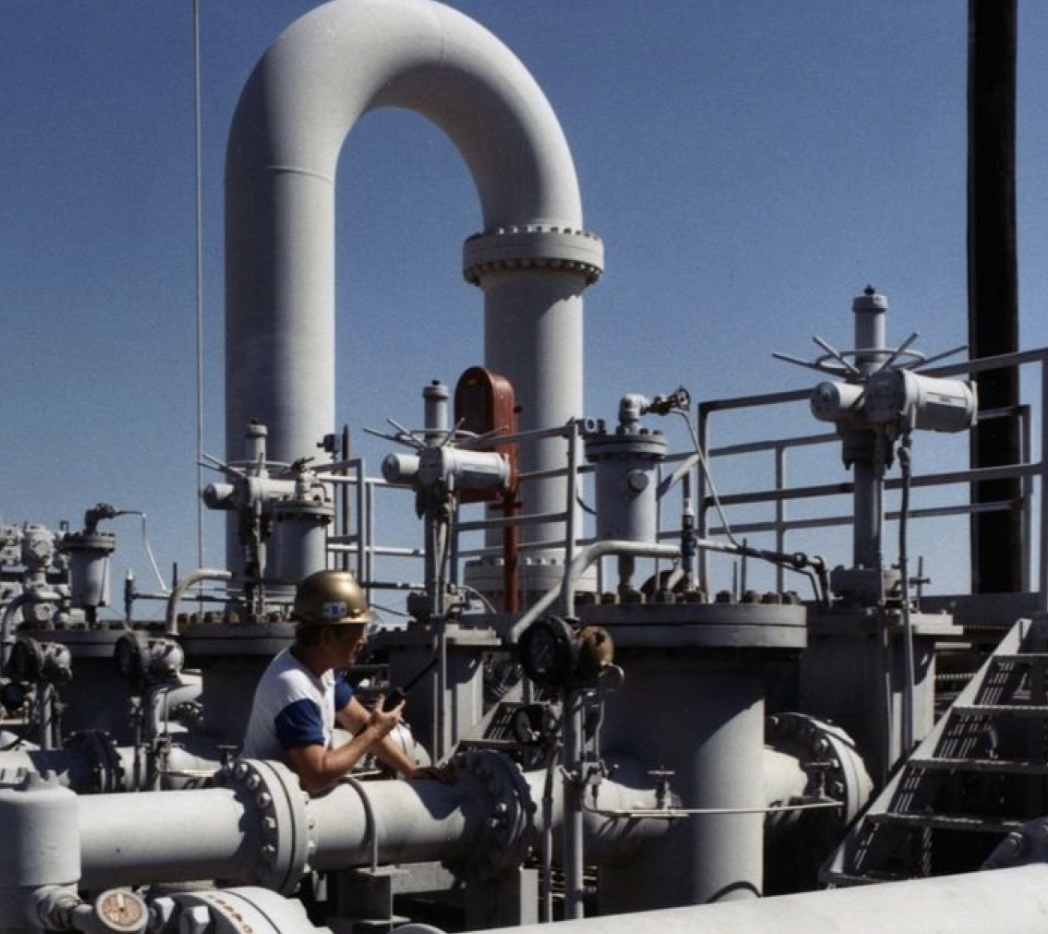
Stored in underground salt caverns along the Gulf Coast of Texas and Louisiana, the SPR was created as a national security tool designed to cushion the country against severe supply disruptions. Congress authorized the reserve to hold up to 714 million barrels of crude oil, and the system is capable of releasing oil at a maximum drawdown rate of about 4.4 million barrels per day during an emergency.

As of late February, the reserve holds approximately 416 million barrels of crude oil, according to weekly reports from the US Energy Information Administration. That represents about 58% of its authorized capacity and marks a gradual recovery from the historic lows reached when Biden allowed the reserve to be drained.
The reserve was significantly depleted by Biden following the White House decision to release 180 million barrels of oil in 2022 in response to Russia’s invasion of Ukraine and the resulting spike in global oil prices.
Additional congressionally mandated sales and smaller drawdowns further reduced the stockpile. By 2023 and early 2024, the reserve had fallen to roughly 347–350 million barrels, the lowest level in its history.
Rebuilding the reserve has become a priority under the Trump administration, which has framed the effort as part of a broader “energy dominance” agenda. The Department of Energy has described the earlier drawdowns as reckless and has begun purchasing crude oil to replenish the caverns.
So far, however, the pace of replenishment has been gradual and limited by funding. In late 2025, the Department of Energy awarded contracts for roughly one million barrels of oil deliveries, with shipments beginning in December 2025 and continuing into early 2026.
The rebuilding effort has nonetheless shown steady progress. The SPR held about 395 million barrels in February 2025 and roughly 359 million barrels in early 2024, meaning tens of millions of barrels have been added over the past two years. The current inventory of around 416 million barrels represents a significant increase from the roughly 347 million barrel low reached earlier in the decade.
Fully restoring the reserve to its authorized capacity of 714 million barrels will take considerable time and funding. Depending on global oil prices, analysts estimate that refilling the SPR could cost between $20 billion and $25 billion or more. Congress has so far provided only limited funding, roughly $850 million through legislation that covers crude purchases, maintenance and repairs to the storage system, and cancellation of some previously mandated sales.
Energy Secretary Chris Wright has indicated the administration would like to secure as much as $20 billion in additional funding to accelerate purchases, though no large new appropriation has yet been approved.
Another complicating factor is that several congressionally mandated sales from earlier legislation remain on the books. If those sales are not canceled or deferred, they could partially offset the oil that is being purchased and slow the pace of rebuilding.
Even at its reduced level, the reserve still provides a substantial strategic buffer. At current levels, the SPR represents more than 100 days of U.S. net petroleum imports, according to federal estimates based on end-of-2025 import levels.
The rebuilding effort comes as global energy markets face renewed geopolitical uncertainty, including tensions in the Middle East and military operations involving Iran. Federal officials have not announced any plans for new emergency releases, instead emphasizing the importance of restoring the reserve after years of heavy drawdowns.

2 thoughts on “Trump Administration has made progress on Strategic Petroleum Reserve oil inventory after Biden drained it”
Great article Suzanne!!! There were two times During the Brandon administration that I found confusing. That was when the media reported that America’s oil production hit new highs. How was that possible when he shut down drilling? My guess was that he was including the amount of oil being drawn from the SPR. I worked in the oil industry and know that production does not increase without increased drilling. Drill Baby Drill!!!
Suzanne, is there any possibility of getting the Alaska by The Numbers little column back? I really miss it. Thank you.
During the first Trump Administration, when oil prices plummeted during the beginning of covid, Trump wanted to buy oil and fill the SPR. Unfortunately the Democrats didn’t allow it and a great loss occurred because had Trump been able to fill the reserve at all time low prices there would be more oil in it now, or when it was sold under the Obama/Biden/Harris Administration the people of the United States would have realized a greater gain.