



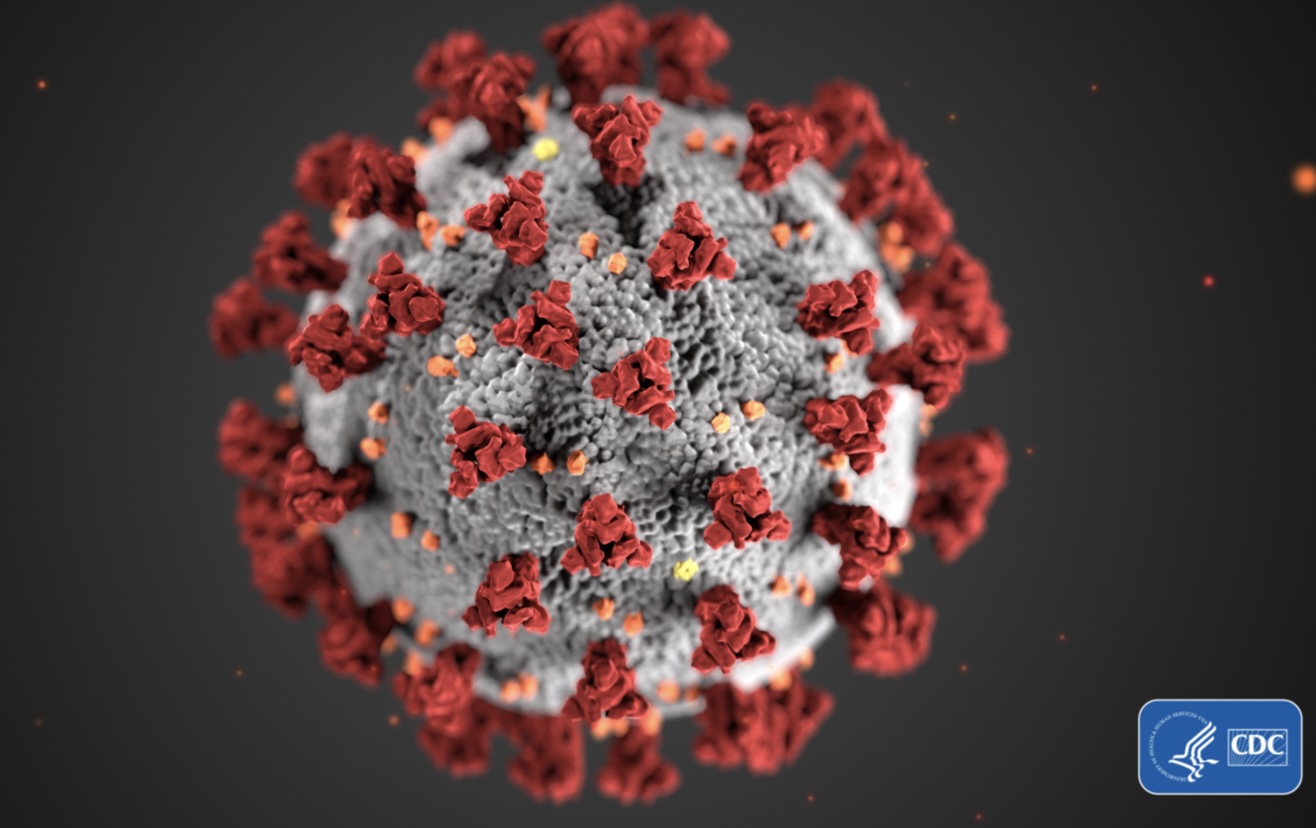
The Alaska Department of Health on Tuesday released its most comprehensive accounting yet of the state’s experience during the Covid-19 pandemic, describing how the virus moved through Alaska in seven distinct waves, how the public-health response evolved, and how the impacts varied sharply across communities.
The report covers March 2020 through May 2023, the period defined by the end of the federal public health emergency, during which more than 1,500 Alaskans died from COVID-19, about one in every 500 residents.
The report outlines what state epidemiologists describe as an “immense” and sustained public-health response that began weeks before the first case was detected in Alaska on March 12, 2020.
Because of early travel limits and other non-pharmaceutical interventions, Alaska’s first wave was smaller than much of the rest of the country, but the report notes that advantage was short-lived. Once statewide restrictions were relaxed and before vaccines became available, community transmission surged, hospitalizations climbed, and outbreaks appeared across the state, the report says.
The report highlights persistent disparities that emerged early and continued through every era of the pandemic. Age-adjusted mortality for Alaska Native residents was more than five times the rate of white residents during the pre-vaccination period; Asian and Pacific Islander residents also experienced disproportionately high hospitalization and death rates. Those patterns, the report says, remained consistent throughout the three-year federal emergency period.
Alaska’s vaccination campaign ramped up rapidly beginning in early 2021, with more than half of all primary vaccine series delivered in just five months.
The increased vaccine supply, paired with easing local restrictions and the arrival of rapid antigen testing, brought a decline in reported cases, hospitalizations, and deaths, the report says. Yet even during this period of improvement, older adults and many minority groups remained at higher risk of severe outcomes.
The most devastating period came with the arrival of the Delta variant in mid-2021.
Delta drove the deadliest wave of the pandemic in Alaska, accounting for nearly half of all Covid-19 deaths recorded over three years. During that six-month stretch, Covid-19 became the leading cause of death in Alaska, and for the first time the state’s mortality rate exceeded the national average.
The variant also hit younger Alaskans hard, with nearly two-thirds of all Alaska Covid-19 deaths among people under 55 occurring during the Delta period.
State epidemiologists emphasized the large protective effect of vaccination during Delta, noting that age-adjusted mortality among fully vaccinated Alaskans was roughly one-eighth the rate of those who were unvaccinated.
By early 2022, Omicron swept through the state, ushering in a wave that produced the highest case counts of the pandemic but, due to vaccination, natural immunity, and antiviral treatments, far lower hospitalization and death rates than the Delta surge. Even so, sheer case volume strained the healthcare system, as providers dealt with staff shortages and supply chain disruptions. The state ended contact tracing and shifted to targeted outbreak investigations by March 2022.
As Omicron subvariants BA.2 and BA.5 cycled through the state later in 2022, reported case rates fell, partly because at-home rapid antigen tests, which were unreported to public health, became widespread and many drive-through test sites closed.
Hospitalizations and deaths declined as well, though the report notes that American Indian and Alaska Native residents continued to experience higher hospitalization rates than other groups.
The final era, from November 2022 through May 2023, captures both the winding down of the emergency and the transition of Covid-19 into a routine part of public-health operations. The XBB.1.5 subvariant became dominant, reported cases continued to decrease, and Alaska averaged just 1.5 hospitalizations and 0.3 deaths per 100,000 residents per week. The authors caution, however, that reduced reporting during this time makes direct comparisons to earlier eras difficult.
While the report serves primarily as a historical record, the Department of Health sees it as a tool for future preparedness. Alaska’s experience, including early success, periods of severe strain, persistent disparities, and the challenges of a vast and varied geography, required adaptable response systems.
The full report, which includes detailed data tables, variant timelines, and descriptions of the state’s surveillance systems, is available at this link.

7 thoughts on “State releases comprehensive look-back report on Covid”
Ah yes, let’s revisit this.
Dying with Covid re-packaged as “from” Covid. PCR test inventor (and past Nobel winner) Kary Mullis on record that PCR test was not appropriate for diagnosis purposes — it was made for the manufacturing process. He died suspiciously in late 2019. Congress redefines “vaccine” to allow for mRNA product that same year. Manipulatable PCR cycles jacked way too high, per CDC instructions, which produced 90+ percent false positives. Flu disappeared *poof*. Asymptomatic and symptomatic Covid carriers demonized and threatened, though death rate at the level of prior flu. Hospital protocols demanded Remdesivir (re-named: Verklury after word got out) which previously caused organ failure and death to an inexcusably-high percentage of Ebola patients in Africa. They knew. Ventilator protocol also the wrong treatment, turns out, and hospitals incentivi$ed to use it. Fake FDA approval news for a Covid jab that was never available in the U.S. — everyone still got the EUA version, which allowed no legal recourse for those harmed. Exploding reports of jab harm in VAERS system downplayed or ignored. Died Suddenly is a new cultural term. Myocarditis now common. My previously-healthy friends and family are dying. And so much more.
Why is the State of Alaska still lying?
Not a single thing you say makes any sense at all.
Not a single thing you say makes any sense at all. Explain why you feel this way please! The enlightened would LOVE to know…
I understand your confusion. These aren’t feelings, but facts found by those investigating beyond the surface-level, captured media reports at the time.
Well stated! What a scam!! They are still pushing their “vaccines”.
Government never wants to admit mistakes or take responsibility.
Odd! It does to Me!
Under RFK JR the government is stopping a good portion of the vaccine practice. Thank good thinking. If you or your family want to die young or be very sick, then take a covid shot. Several of my friends took the shots and have not been well since. They have come down with junk like you have never seen in history. The state of Alaska was locked down which should never have happened. Many who did not take the shot are better for it and healthier for having refused. In congressional testimony it took three weeks of testimony by Fouci to finely admit that the covid shot was not a vaccine. A board recently testified in congress about a survey of 700 death certificates reviewed as covid related deaths and documented on codes as covid and the survey found that only 70 percent were not related to covid at all. Obama’s first trip to China had a notable and important result in finding out information on the lab work of covid virus. Obama came back from his trip and bought four patents on the virus. The companies that produced the shots made billions of the government and the states. The intent for covid and big money investment took a while to plan but those companies made billions. Every state should be looking to the welfare of the residents. This country needs safeguards and leadership on these issues, not what is coming out of the State HHS.