



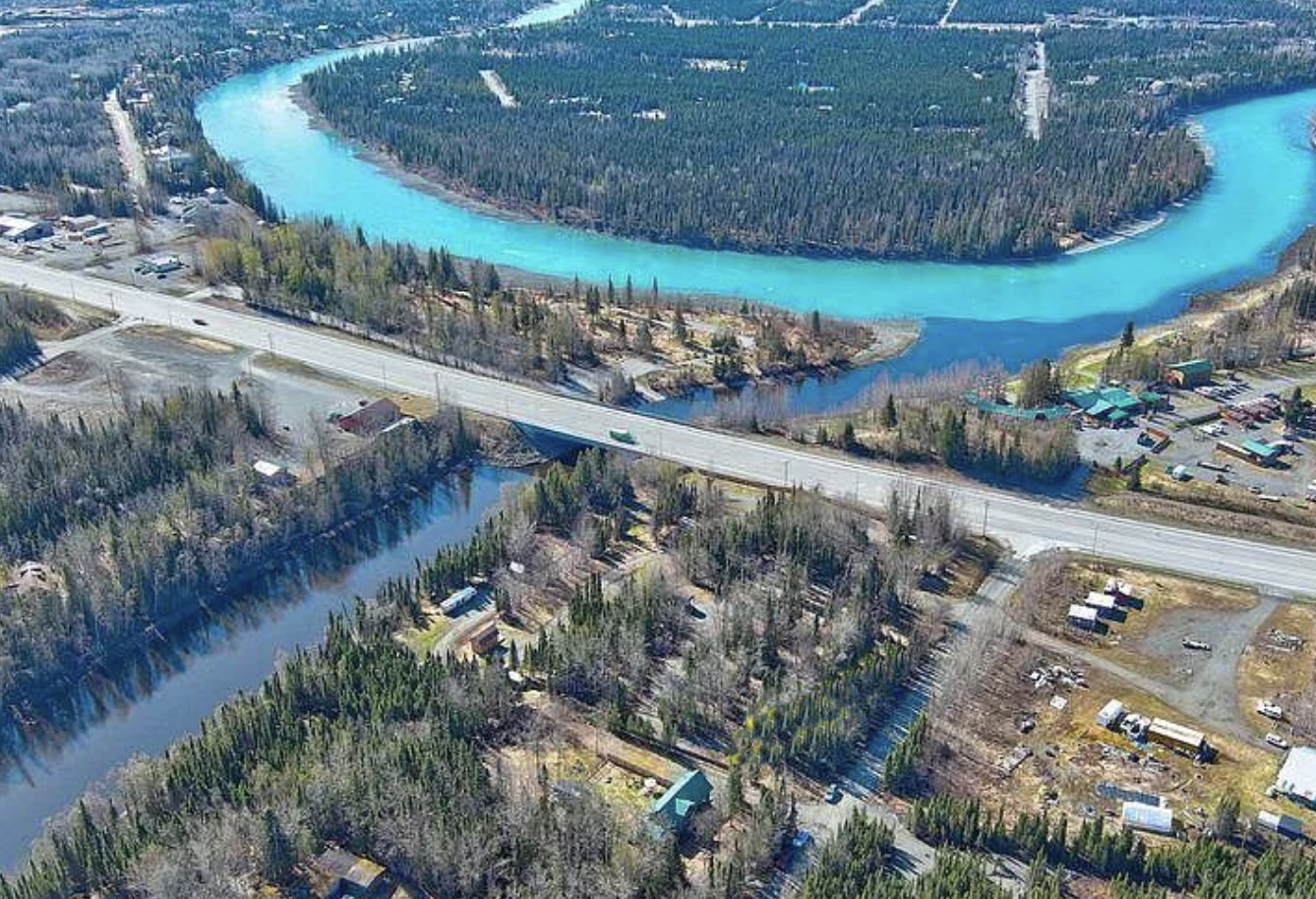
A new analysis of America’s richest small towns places Sterling, Alaska, on the list, but still toward the bottom compared with similarly sized communities in the Lower 48.
The study, published by GOBankingRates, examined towns with 500 to 1,500 households and ranked one high-wealth community in every state based on income data, home values, and livability scores drawn from the USCensus American Community Survey, AreaVibes, and Zillow.
Sterling, on the western side of the Kenai Peninsula, posted a median household income of $110,341 and an average home value of $336,564.
With a population of 6,776 and a livability score of 61, it represents Alaska’s top-performing small town by the study’s definition. A quarter of Sterling’s residents are age 65 or older, reflecting its mix of retirees, longtime residents, and families drawn to the Kenai Peninsula’s recreation and relative affordability.
But in the national comparison, Sterling’s numbers were modest. Even Alabama and Arkansas, states not typically known for high household incomes, ranked significantly higher. Mountain Brook, Alabama, posted a median household income of $191,128, while Goshen, Arkansas, came in at $177,604. In Idaho, Eagle ranked similarly to Sterling in income at $118,037, but its average home value of more than $800,000 dwarfed Sterling’s housing market.
Still, the Sterling figures stand out within Alaska, where the cost of living and geographic isolation skew both income and housing data for various towns, making it somewhat of an apples and oranges comparison. Sterling’s median income surpasses that of Juneau, where households average about $100,500, and Anchorage, where the median sits around $98,200. The contrast becomes sharper outside Alaska’s population centers. In Tok, the median household income is roughly $45,000. In Bethel, one of the costlier places to live off the road system, median household income hovers around $91,000, but day-to-day expenses consume far more of a family’s budget than they would in a road-connected town like Sterling.
Sterling’s place on the national list underscores how differently wealth presents itself in Alaska. A town considered “rich” by Alaska standards lands near the bottom when lined up against similar communities elsewhere, largely because home values and incomes outside the state have surged in high-growth suburban corridors.
For Alaska, Sterling’s ranking is a reminder that affluence looks different in a state where distance, logistics, and cost of living shape every economic measure.




5 thoughts on “Richest small town in Alaska is …”
But. Who are these communities residents employers? More likely just as any small Alaskan town they get their wages by the government aka the taxpayer
If it wasn’t for the BIG government they’d be struggling and poor as a pauper
Inquiring minds would like to know! What industry is in sterling? I would guess you are correct. Petersburg used to rank as the wealthiest in the state and they do have a robust tourism industry as well as commercial fishing but even there government is likely one of the highest paying employers.
My guess would be oilfield workers or commercial fishing. Whoever said government workers is in the wrong town! Maybe government workers in Juneau, or Anchorage?
I live in Sterling. Oil workers and tourism including lodges and second homes. But there are a lot of people living in really crappy trailers, unfinished houses, and the occasional bus with tent additions.
Yes, you always should question these national lists because they don’t necessarily understand Alaska. – sd