By SUZANNE DOWNING
March 2, 2026 – Oil prices surged this week following US and Israeli strikes that killed Iran’s Supreme Leader, Ayatollah Ali Khamenei, during Operation Epic Fury, pushing Brent crude near $80 per barrel and lifting Alaska North Slope crude back above $70.
For Alaska, that number could reshape the state’s fiscal debate, depending on what happens over the next several days.
The Alaska Department of Revenue is scheduled to release its Spring 2025 revenue forecast next week, expected around March 11-13. That forecast will incorporate a five-day average oil price run immediately preceding publication.
If current elevated prices hold through that calculation window, the official forecast could come in significantly higher than earlier projections, at least on paper.
The department’s prior outlook from last year projected around $68 per barrel for Alaska North Slope crude in FY2026. The state budget framework is built around that assumption.
But oil markets are volatile. This price spike could prove to be a short-term geopolitical spike rather than a durable shift in fundamentals.
If prices are inflated during the five-day averaging period, the resulting forecast could temporarily brighten the state’s fiscal picture, even if prices retreat weeks later.
The Senate Finance Committee relies heavily on the spring revenue forecast as it finalizes the operating budget. A higher oil price forecast can make the deficit appear smaller, reducing apparent pressure to cut spending or tap savings.
As a rule of thumb, every $1 increase in oil price translates to roughly $50 million in additional state revenue. If Alaska North Slope prices average several dollars above $68 during the forecast window, that could add hundreds of millions of dollars to the projected revenue stream.
Some estimates suggest that if elevated prices persist long enough, the state could reduce draws from the Constitutional Budget Reserve by as much as $200 million this fiscal year.
Alaska remains in FY2026 until June 30. Every day oil trades above the forecast baseline generates incremental revenue that can offset current-year deficits.
The question now: Will this surge meaningfully erode the need for a CBR draw, or is it a temporary spike that risks distorting next year’s budget conversation?
Steve Wackowski, president and CEO of the Alaska Oil and Gas Association, issued a word of caution.
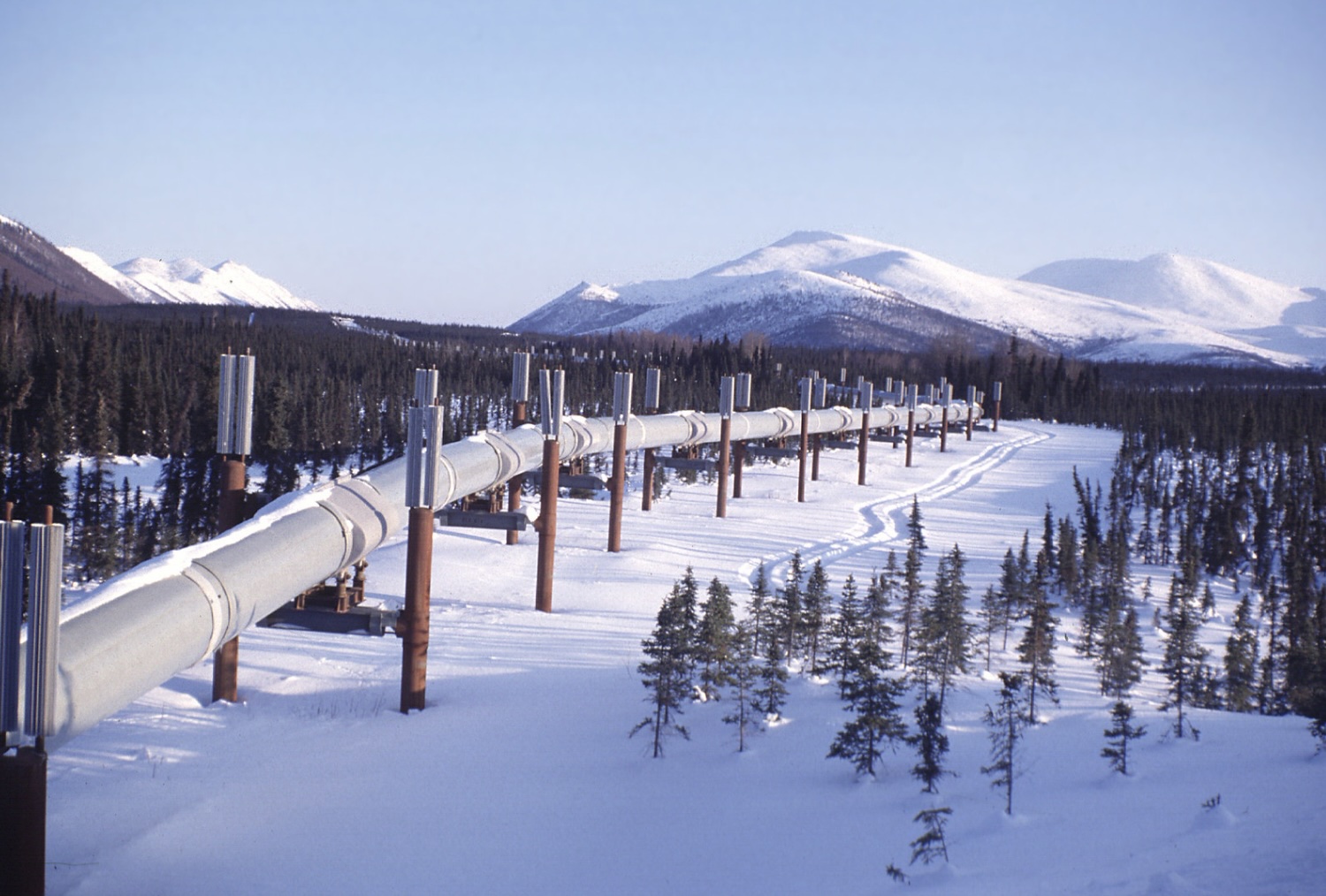
“Rising oil prices tied to instability in the Middle East are a stark reminder that energy security is national security, and the United States should be producing as much reliable, responsibly developed energy as possible here at home. That means maintaining stable, predictable policies in Alaska so companies can continue investing in long-lead North Slope projects that keep TAPS running strong and strengthen America’s strategic position in an uncertain world,” he said.
There is growing concern that a short-lived price surge could create more appearance of revenue than reality.
If lawmakers adopt a higher oil price forecast based on a temporary three-week spike, they could plan FY2027 spending at levels that assume stronger oil revenue than ultimately may materializes.
At the same time, a major field on the North Slope is expected to produce first oil, possibly this month. Production from the Pikka Phase 1 project is expected to add to Alaska’s state revenue through royalties on the oil produced from state-owned lands, along with property taxes and production taxes. The project, operated by Santos in partnership with Repsol, is on track for first oil in the first quarter of 2026 (late March), with a rapid ramp-up to peak production of 80,000 barrels per day by around mid-2026. That is yet another wild card for Alaska’s budgeters in the Legislature.
Oil prices have long been intertwined with Alaska politics. A sudden upward revision could shift messaging around deficits, savings draws, and fiscal management, even if the market spike proves temporary.
JPMorgan has warned Brent crude could spike to $120 per barrel if a sustained full-scale disruption blocks flows through the Strait of Hormuz. But futures markets are highly reactive and prone to retracement once immediate risk premiums fade.
For Alaska lawmakers, the next five trading days may prove unusually consequential.