The clock is now ticking on a promise first made more than a century ago, when Congress passed the Alaska Native Allotment Act of 1906 and set in motion a land program that would shape generations of Alaska Native families.
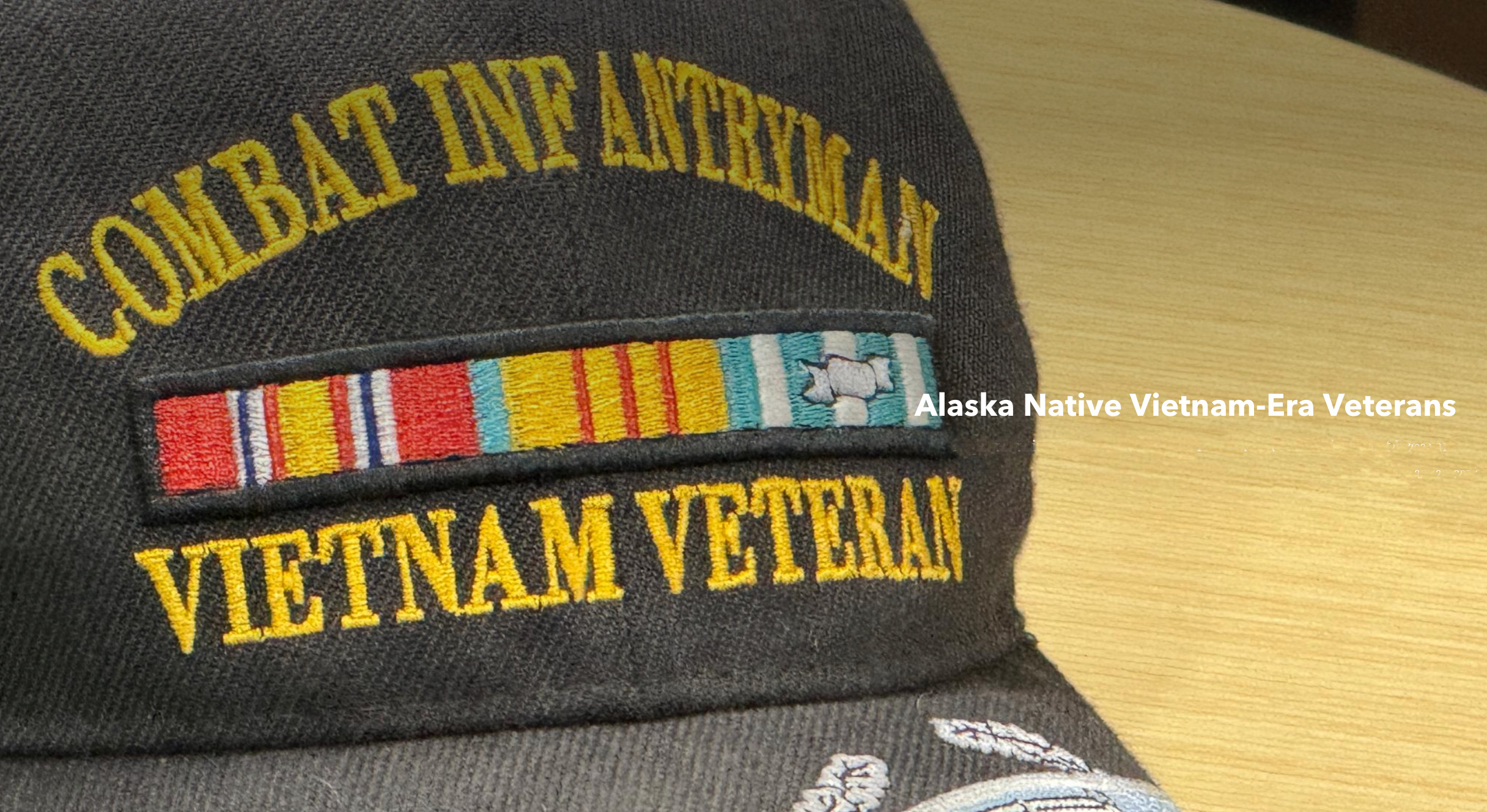
Today, more than 50 years after the Vietnam War, some Alaska Native veterans who served during that era may still be owed land allotments they never had the chance to claim. Why? Because they were serving their country overseas. Their final opportunity to apply is rapidly approaching.
The Alaska Native Vietnam-era Veterans Land Allotment Program gives eligible Alaska Natives who served in the military between Aug. 5, 1964, and Dec. 31, 1971, the chance to apply for up to 160 acres of federal land. This program was created to correct the historical injustice faced by those whose military service prevented them from filing under the original allotment system before Congress repealed it in 1971. Unless Congress extends the deadline, all applications must be postmarked on or before Dec. 29.
ANVLAP exists because of the long and complicated history of the Alaska Native Allotment Program, the only homestead-style law written specifically for Alaska Natives. From 1906 to 1971, more than 10,000 Alaska Natives applied for individual allotments. But bureaucratic delays, conflicts with federal conservation units, state land selections after statehood, survey costs, and the applicant’s death often stalled or halted the process. When the Alaska Native Claims Settlement Act took effect on Dec. 18, 1971, the allotment law was repealed and no new applications could be filed. Only pending applications were allowed to continue.
For thousands of Native families, the decades that followed were marked by litigation, policy disputes, and inconsistent federal management. Congress attempted multiple fixes, including the 1980 Alaska National Interest Lands Conservation Act, the 1998 Settlement Agreement, and the 2004 Alaska Land Transfer Acceleration Act. By the late 2010s, the Bureau of Land Management said it had finally adjudicated virtually all remaining pre-1971 claims.
That did not help the Alaska Native men and women who were deployed to Vietnam and Southeast Asia, who were unable to apply in the first place. Alaska Natives served at rates disproportionate to their population, reflecting a strong tradition of military service.
In 2019, Sen. Dan Sullivan authored the provision in the John D. Dingell, Jr. Conservation, Management, and Recreation Act that created the modern Alaska Native Vietnam-era Veterans Land Allotment Program.
It expanded eligibility to thousands of veterans, streamlined the allotment process, and reopened the door for those who served between 1964 and 1975. The bill passed the Senate unanimously and became law on March 12, 2019.
Since then, implementation has been slow, because the Biden Administration didn’t want to give up federal land. Of more than 2,000 potentially eligible veterans and heirs, the Interior Department has certified roughly just three dozen allotments. In late 2024, the department opened an additional 11 million acres for selections, a step meant to address land shortages in some regions.
Now the application period is nearing expiration. The law currently sunsets on Dec. 18, the anniversary of ANCSA. Sullivan, has been pushing to extend it for five more years through the Alaska Native Vietnam Era Veterans Land Allotment Extension Act of 2024. The bill would move the deadline to Dec. 18, 2030, expand available federal lands.
As of Dec. 5, the extension remains stalled by Senate procedural hurdles, though Sullivan is working to attach it to must-pass legislation before the deadline.
If Congress fails to act, the door closes. That would leave an estimated 1,900 eligible Alaska Native Vietnam-era veterans and heirs at risk of permanently losing their chance to receive land originally promised under the 1906 program.
For veterans and families who believe they may be eligible, the advice from the Department of Interior is simple: do not wait. Unless Congress extends the deadline, applications must be submitted or postmarked by Dec. 29.