



By SUZANNE DOWNING
House Bill 47, legislation aimed at criminalizing AI-generated child sexual abuse material, has finally moved out of the House Judiciary Committee after a year of committee hearings and revisions, clearing a key hurdle in the Alaska Legislature. It was previously in the Community and Regional Affairs Committee, where it passed despite a “no recommendation” from Democrat caucus members Reps. Ky Holland, Rebecca Himschoot and Donna Mears.
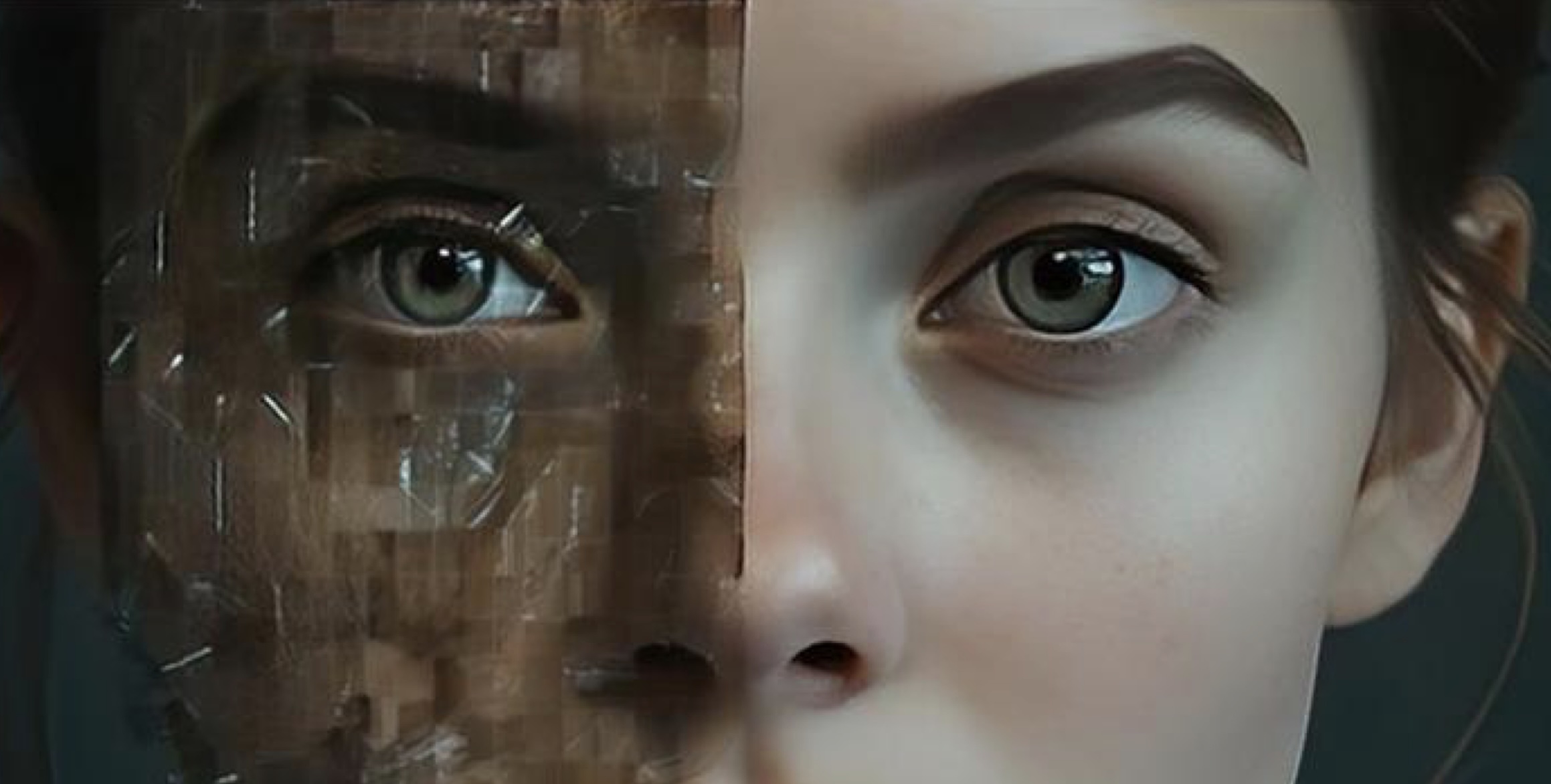
The bill, sponsored by Rep. Vance and co-sponsored by Rep. Jamie Allard and Rep. Kevin McCabe, targets a rapidly emerging category of child exploitation: wholly synthetic, computer-generated sexual images of children that are indistinguishable from real photographs.
While the images may not depict real children, the bill’s supporters argue the harm is real and growing, particularly when AI is used to manipulate or “morph” images of actual minors into sexually explicit content.
The issue gained public attention last summer after an Army soldier stationed at Joint Base Elmendorf-Richardson was arrested in Anchorage on federal charges involving the transportation, receipt, and possession of child sexual abuse material that included AI-generated images. At the time, a US Deputy Attorney General warned that generative AI is accelerating the spread of such material, calling it a “dangerous” misuse of emerging technology.
As amended by the House Judiciary Committee, the bill now makes the distribution of generated obscene child sexual abuse material a qualifying prior conviction that can elevate a later distribution offense from a class B felony to a class A felony. The committee substitute also tightened cross-references in statute and removed language related to defining an “identifiable child,” narrowing the bill’s focus to obscenity standards already established in law.
The legislation is theoretically crafted to withstand constitutional scrutiny by applying the long-standing Miller test for obscenity, placing these synthetic images outside First Amendment protections. The intent, according to the sponsor’s summary, is to close a loophole that allows offenders to evade prosecution simply because the images are digitally created rather than photographic.
In addition to creating two new felony-level crimes for possession and distribution, the offenses are classified as sex crimes and include enhanced penalties for repeat offenders. The bill also contains provisions affecting teaching certificates and the licensing of school bus drivers, ensuring that convictions under the new law carry professional consequences.
Legislative Affairs attached a zero fiscal note, stating that while the bill creates new crimes with potentially higher penalties, the state cannot yet predict how many cases would be charged or how many defendants would require appointed counsel. Officials noted that a fiscal impact could be revised later if enforcement data becomes clearer.
Despite clearing Judiciary, HB 47 still faces a long road. It must advance through the remainder of the House process and then pass the Senate, where lawmakers will have their own opportunity to amend or stall the bill. After a year of sitting in two House committees, its movement signals growing concern among Alaska legislators that AI-driven exploitation of children is no longer theoretical—but already here.


4 thoughts on “House Judiciary clears bill expanding felony penalties for AI-generated child sexual media”
I pray GenZ and GenAlpha men and women don’t copying what has shackled WW2, Millennials or GenY, GenX, and Boomers to degradation of themselves, women, and children
But that GenZ and GenAlpha will set a better example to the upcoming new generation of children born after 2020
I can’t help but remember somewhere in the BIG BOOK, it says” As it was in the days of Noah, so shall it come to past”. But instead of a flood, it shall be a fire. I’m not sure exactly where (in the Big Book), these quotes are in print.
And this while giving the education industry money to infest schools with transvestites and stuff school libraries with pornography?
.
You can’t make this up!
.
With Alaska’s grand-jury system being as corrupted as it is for as long as it has been, how can anyone give a damn what the “House Judiciary Committee” does about anything?
House Bill 47 is unconstitutional, violating the First Amendment. It is allowed to pass, then all fictional works can be made into a felony if it offends someone in government. Laws are enacted to protect actual victims of crimes, not imaginary victims. With fictional works, including AI generated material, there are no victims. That makes House Bill 47 all about censorship and violating the people’s right to free speech.
House Bill 47 is just another example of the House complete and utter disregard for Alaskans. Which is what happens when they are illegally elected. You don’t need votes when you have massive government election fraud appointing them to office.