



The Pentagon’s new media pass policy, introduced in September by War Secretary Pete Hegseth, has drawn howls from Washington reporters. It has proven exactly why the change was needed.
The updated policy replaces a vague, one-page access agreement with a detailed acknowledgment form that journalists must sign to retain Pentagon credentials and workspace access.
The new rules require reporters to confirm in writing that they understand boundaries regarding classified information, operational details, and internal deliberations, all of which are meant to protect national security and prevent leaks.
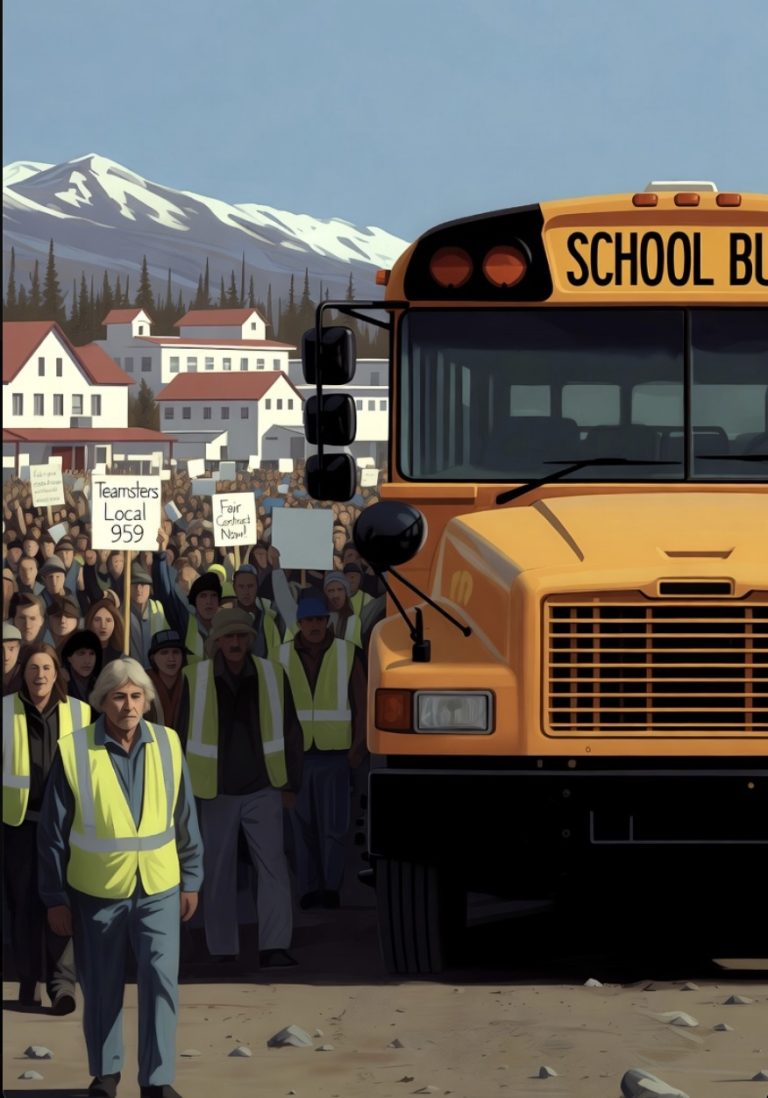
Those who refused to sign by the Oct. 14 deadline saw their credentials revoked and they have cleared the premises. On Oct. 15, more than 100 reporters from major news outlets were escorted out of their Pentagon offices. By Oct. 17, only about 15 individuals – mostly freelancers, foreign correspondents, or journalists with independent outlets such as The Federalist, Epoch Times, and One America News – had agreed to the terms.
Hegseth’s reasoning is simple: Reporters shouldn’t have more access to sensitive defense information than many career military officers do.
Preventing leaks that damage operational and national security is, after all, part of Hegseth’s job description. The same journalists who have spent years publishing classified leaks and quoting unnamed “senior defense officials” now claim they’re the victims of censorship. What a farce.
The new policy doesn’t ban reporting or even require pre-publication approval. It simply bars journalists from soliciting classified material or pressuring War Department employees to reveal restricted details. This is a rule that should have been enforced long ago. Violations can lead to a reporter being deemed a “security risk,” resulting in immediate credential loss or, in serious cases, criminal referral for endangering military personnel.
The outrage from legacy outlets and press freedom groups says more about them than it does about the policy. What makes these journalists think they’re entitled to classified information? They’re reporters, not intelligence officers. The First Amendment guarantees the right to publish, not the right to hold a taxpayer-funded office inside the Pentagon.
The Department of Was has made clear that the new pledge isn’t a loyalty oath or censorship agreement, but merely an acknowledgment of the rules, which is the same kind of acknowledgment every service member, contractor, and civilian employee signs. Critics’ insistence that they shouldn’t have to abide by basic security boundaries exposes their dangerous sense of entitlement.
For years, Washington reporters treated their Pentagon access as a personal clubhouse. Hegseth’s reform finally puts an end to that. If signing a simple acknowledgment of the rules is too much to ask, maybe those journalists never belonged there in the first place.
7 thoughts on “Hegseth’s Pentagon tightened media access, and the press had its usual meltdown”
What makes journalists so entitled and arrogant? Are they taught that way in school?
And, why do so many people actually look up to so-called journalists, as if they are deity?
Journalism used to be a blue collar job where one did not necessarily need a college degree (read present day indoctrination). Because it was blue collar it was much more fluid with its bias and outlook, unlike today when The Message is paramount and all will be subservient to it. As to why so many “look up to them” I do think that is not the case, or not as many as there used to be. I can remember being a degenerate political junkie in the 90s and outside of some based callers on C-Span and Pat Buchanan generally it was corporate media everywhere all the time.
I really enjoyed the mock perp walk of the journos out of the Pentagon. A pox on all of them.
* I forgot to mention Rush along with Pat Buchanan. How could I forget Rush? My Lord. RIP Mr. Limbaugh.
Sec Hegseth should go a step further permanently banning the news outlets those “journalists” represents from any event when they can’t understand America maintain security of itself
Would you Ms. Downing, have signed Hegseth’s new press rules? I doubt it, as you are obviously one who publishes what you want, from any source you want, and in an unconstrained manner.
Hans, I’m not one who believes civilians (journalists included) should have unimpeded access to the Pentagon without the same types of clearances that our military members must have, nor do I believe they should be searching for and trying to squeeze out classified information to publish, at the risk of national security. I know journalists very well and 99% of them are anti-American and only interested in scooping. – sd
Well, Watergate was a scoop, but it needed scooping. And if anyone ever needed scooping it is the current Administration, who are eroding your rights even though you may not yet realize it. When Dems come to power again, which they will, would you like them to control what you can print, as you seem to be quite interested in scoops yourself?
It is further noteworthy that even the Conservative Pentagon journalists, with 1-2 exceptions, would not sign the agreement that was proffered. The thing was an outright effort to silence the Press either by compact, or by exclusion after their refusal to sign and the concomitant disenfranchisement.
Oh, and there is also the matter of the First Amendment of the Constitution.