By THE ALASKA STORY
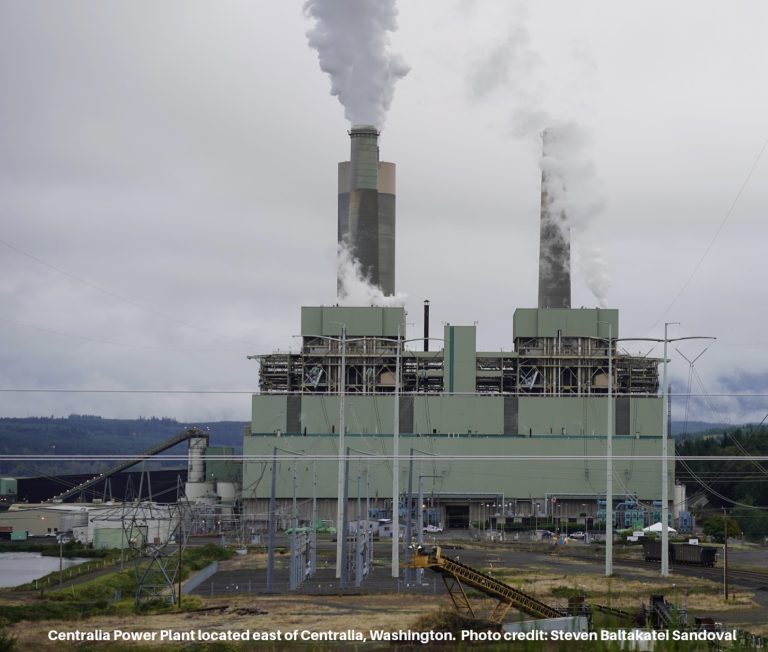
March 19, 2026 – A major energy proposal taking shape in Alaska could mark a turning point for the US coal industry, with developers announcing plans for what would be the nation’s first new coal-fired power plant in more than a decade.
Terra Energy Center, an Alaska-focused developer with ties to the earlier Flatlands Energy concept, is advancing a multi-billion-dollar project in the Matanuska-Susitna Borough that would combine coal, biomass, and carbon capture technology into a single large-scale power facility.
The announcement, highlighted in a March 16 fact sheet from the US Department of the Interior, comes as part of broader energy discussions during the Indo-Pacific Energy Security Ministerial and Business Forum in Tokyo.
At the center of the proposal is a roughly 400-megawatt supercritical coal-and-biomass-fired plant planned for the West Susitna/Skwentna area. Terra Energy Center has committed approximately $1 billion toward the effort and reached an in-principle agreement with Hyundai Heavy Industries Power Systems to supply key boiler technology. Additional financial backing includes a reported $500 million equity investment from KOREIT, underscoring growing international interest in Alaska energy infrastructure.
The facility would be paired with a new coal mine tapping local reserves and a carbon capture and storage system designed to reduce emissions. Captured carbon dioxide would be transported 60 miles by pipeline to the depleted Beluga River gas field for “permanent sequestration.” Developers estimate total costs at approximately $2.2 billion for the plant itself and another $1.3 billion for carbon capture infrastructure, with potential offsets from federal tax credits and possible grants from the US Department of Energy.
While some early references have suggested the project could eventually scale up to as much as 1.25 gigawatts, the most consistent details point to a 400 MW core facility as the initial phase.
The proposal stands out against the backdrop of a long-term decline in the use of coal power across the United States. Coal now accounts for roughly 16% of US electricity generation, down sharply from more than 50% in previous decades as utilities have shifted toward natural gas, renewables, and other sources. No new coal plants have been brought online in the US since 2013.
The Alaska project reflects changing energy dynamics, including rising electricity demand driven by data centers and industrial growth, as well as the need for reliable baseload power on the Railbelt grid. The project could also help preserve Southcentral Alaska’s constrained natural gas supplies for home heating and other critical uses.
The development aligns with broader federal policy signals under the Trump administration emphasizing domestic resource development and energy security, particularly in strategic regions like Alaska.
At the same time, the project faces significant hurdles. It remains in the early planning stages and will require extensive permitting, additional financing, and long-term power purchase agreements to move forward. Analysts note that while carbon capture technology could address some emissions concerns, coal projects continue to face economic and regulatory headwinds nationwide.
Terra Energy Center’s proposal raises the possibility that Alaska could become the testing ground for a new generation of coal power.