



By BARBARA HANEY
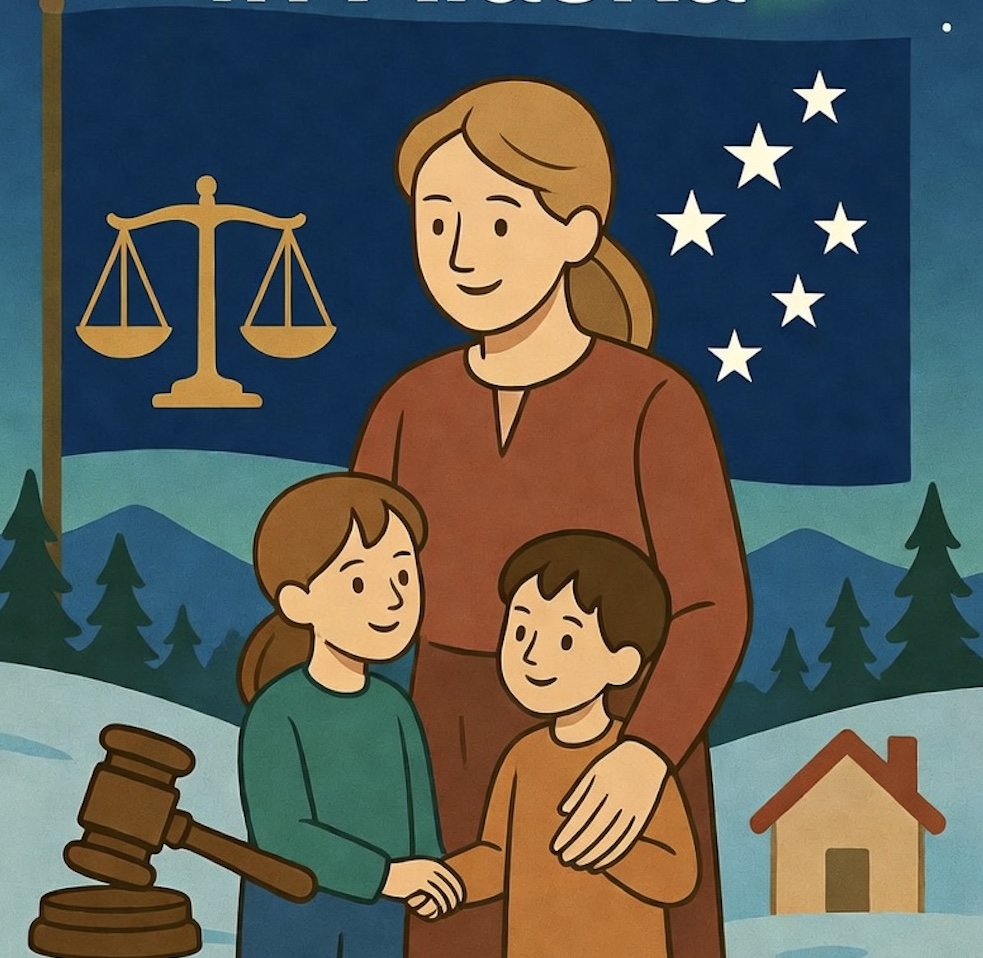
March 25, 2026 – Senate Bill 190 proposes to replace Alaska’s existing guardianship and conservatorship statutes with provisions based on the 2017 Uniform Guardianship, Conservatorship, and Other Protective Arrangements Act (UGCOPA).
While the bill is presented as a modernization effort, it raises substantive concerns regarding added administrative and financial burdens on the Office of Public Advocacy (OPA) and the court system, as well as the practical outcomes observed in the three states that have fully adopted similar frameworks.
Potential Costs to the Office of Public Advocacy and State Resources
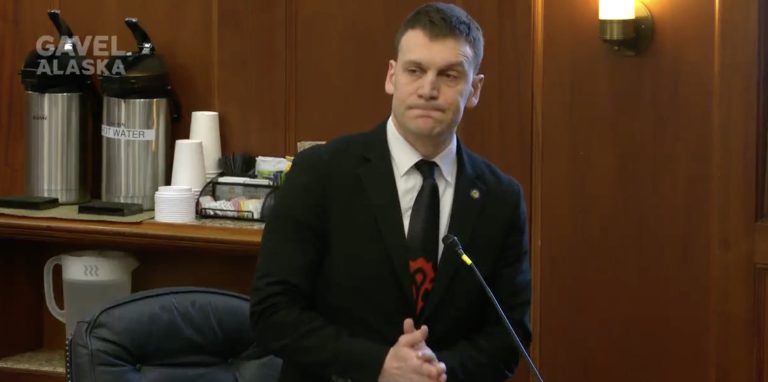
In Senate Judiciary Committee testimony, OPA Director James Denson noted that the bill’s comprehensive changes could generate new case law and increase workloads for the public guardian section, particularly in rural areas. The official fiscal notes accompanying the bill indicate no additional positions or funding. This creates uncertainty about how the expanded requirements—more detailed petitions, guardian plans, annual reports, professional evaluations, background checks, and enhanced monitoring—will be met without additional resources.
These procedural obligations are likely to increase demands on OPA staff for travel, training, and oversight in a state where public guardian services are already limited by geography. Similar pressures would apply to the Alaska Court System through additional hearings and administrative processing.
Without clear funding mechanisms, the costs could ultimately be absorbed by existing budgets or passed along to families and estates, straining resources in an already constrained fiscal environment.
Implementation Experiences in States That Adopted UGCOPA
Alaska has the opportunity to review outcomes from Maine, Washington, and Kansas before proceeding. Their experiences highlight several recurring challenges. In Maine, which enacted UGCOPA in 2019, a 2024 analysis by Disability Rights Maine of more than 2,300 adult cases showed that approximately 75 percent of respondents—and over 90 percent of those with developmental disabilities—proceeded without legal representation.
This occurred under conditional appointment rules similar to those in SB 190. The result was a high rate of full guardianships rather than the less-restrictive alternatives emphasized in the statute. Washington adopted the act in 2019, with provisions effective in 2021. A 2022 stakeholder survey conducted by the Department of Social and Health Services identified excessive paperwork as the primary concern among guardians.
Professional guardian fees were reported to consume up to 28 percent of some clients’ Supplemental Security Income, and the use of supported decision-making or limited protective arrangements remained limited in practice. Additional state resources were required to establish oversight mechanisms and training programs.
Kansas enacted its version in 2025, effective Jan. 1, 2026. Pre-enactment testimony from disability self-advocacy groups and other stakeholders expressed concerns about administrative costs, court workload, and the need for substantial upfront investment in systems and training. As the law is newly implemented, long-term data are not yet available, but the anticipated implementation demands mirror those reported elsewhere.
Across these jurisdictions, the model has introduced greater procedural complexity without consistently achieving reductions in full guardianships or alleviating burdens on public agencies.
Recommendation
Senate Bill 190 would narrow Alaska’s current automatic right to counsel for indigent respondents in guardianship proceedings, shifting toward the more conditional approach used in most UGCOPA states. Given the documented fiscal uncertainties for OPA and the court system, combined with the mixed results in other adopting states, the legislature should weigh these factors carefully. Proceeding without clearer cost projections and targeted adjustments risks imposing new burdens on vulnerable Alaskans and the agencies charged with protecting them.
Legislators should request updated fiscal analyses and further public input before advancing the measure. Alaska can pursue guardianship reform that strengthens protections while remaining mindful of practical and budgetary realities.
Barbara Haney has a Ph.D. in Economics and Public Finance from University of Notre Dame. She served as graduate faculty and served as staff to the Illinois legislature prior to arriving in Alaska to teach at the University of Alaska Fairbanks in 1991. She worked for years on a federal grant teaching math and reading in rural Alaska through the Alaska Department of Labor and has served on the Fairbanks North Star Borough Assembly and the board of the North Pole Community Chamber of Commerce and is a member of the Greater Fairbanks Chamber of Commerce.



One thought on “Barbara Haney: SB 190 raises concerns over costs, court burdens, and reduced legal protections”
Ms. Haney,
Clearly, your recommendations are a little too complicated and sophisticated for the average Alaska legislator. Most of them are still studying how not to pay out a statutory PFD.