



By THE ALASKA STORY
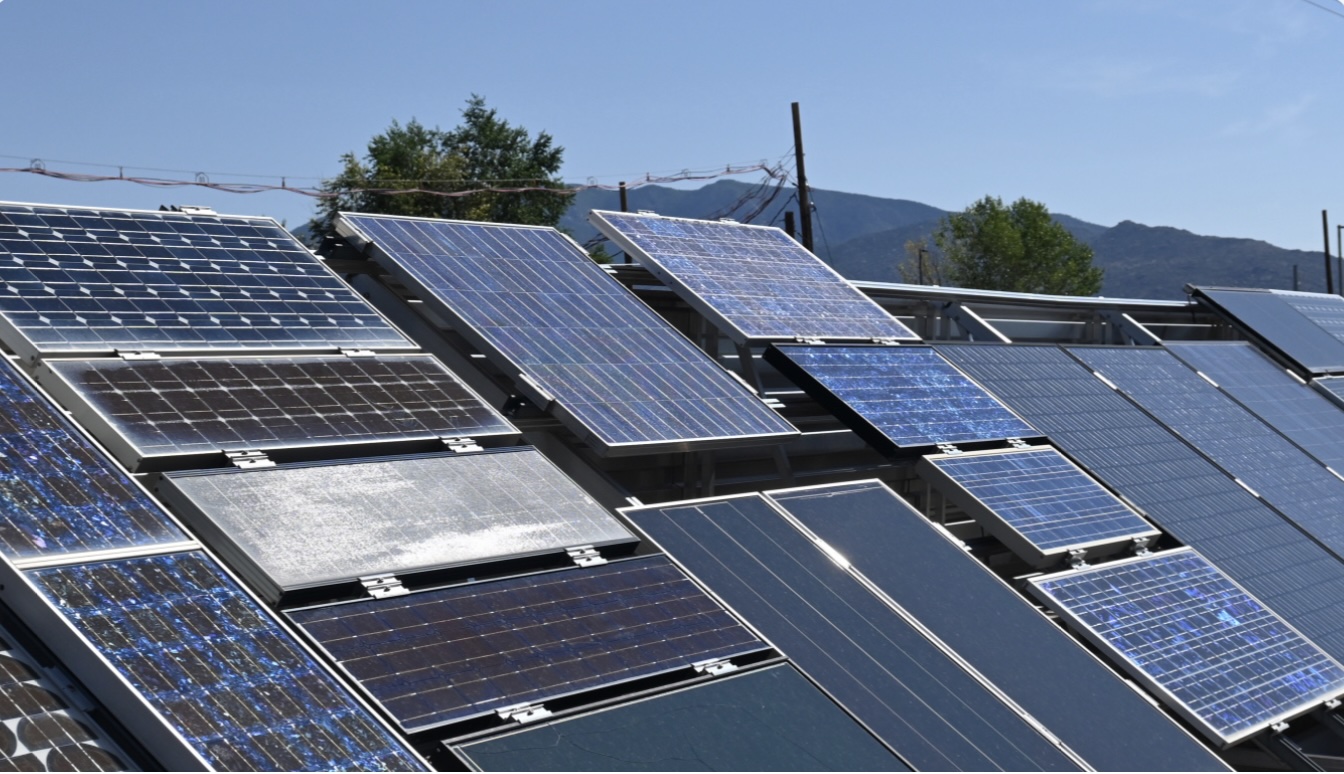
Jan. 30, 2026 – Alaska’s growing renewable energy sector could feel the impact of new federal restrictions aimed at cutting Chinese influence out of taxpayer-funded green energy subsidies, for instance with Canadian Solar, a company that does business in Alaska.
The US Treasury Department is preparing new enforcement guidance that will restrict access to federal clean energy tax credits for companies with a certain level of Chinese ownership or control. Canadian Solar is one of those companies that has a heavy Chinese footprint.
The rules stem from President Donald Trump’s July 2025 executive order, “Ending Market Distorting Subsidies for Unreliable, Foreign-Controlled Energy Sources,” and the One Big Beautiful Bill Act, the major law signed on July 4, 2025.
The law implements so-called “Foreign Entity of Concern” restrictions, phasing out or blocking eligibility for clean energy tax credits, including those tied to wind and solar development, of companies are linked to foreign adversaries such as China. Under the statute, firms become ineligible if Chinese ownership meets or exceeds 25%, including certain aggregation rules for indirect control.
The policy shift matters in Alaska, where renewable energy projects increasingly intersect with national supply chains and global manufacturers. Canadian Solar, which has commercial relationships and business activity in Alaska, is now being cited as an example of how Chinese-linked firms are restructuring to remain eligible for US taxpayer subsidies while staying just under the legal ownership threshold.
According to reporting based on industry data, company filings, and internal research, Canadian Solar restructured its US operations so that its Chinese subsidiary holds a 24.9% ownership stake, narrowly below the 25% cutoff that would disqualify the company from federal clean energy tax credits.
On paper, Canadian Solar presents itself as a North American company. It is headquartered in Ontario, Canada, and recently announced a joint venture structure intended to give the appearance of reshoring US oversight. But corporate disclosures show that most of the company’s assets, employees, and manufacturing operations remain in China, exposing it to Chinese regulatory control and legal risk.
Canadian Solar’s US operations were previously overseen by its Chinese subsidiary, CSI Solar, and its founder and CEO, Xiaohua Qu, has served as a committee member in the Chinese People’s Political Consultative Conference, a Chinese Communist Party–controlled advisory body. Company financial statements acknowledge that “a significant portion of our manufacturing operations” are located in China and that multiple Chinese subsidiaries receive preferential tax treatment from Beijing as designated “high and new technology enterprises.”
Canadian Solar could might still qualify for US green energy subsidies under the new structure, because its Chinese ownership stake technically remains below the statutory 25% threshold.
Canadian Solar is not alone.
Industry data shows multiple Chinese-linked solar firms restructuring ownership to remain just under FEOC limits:
-
T1 Energy, formed in 2025 from assets acquired from Chinese solar giant Trina Solar, retains nearly 17% Chinese ownership, along with board representation and technology licensing arrangements.
-
SEG Solar, based in Houston, presents itself as an American company but originated as a subsidiary of Chinese firm Jiangsu Seraphim.
Administration officials have signaled that the goal is to prevent US taxpayer funds from subsidizing foreign-controlled energy infrastructure, particularly entities tied to strategic competitors and adversaries.
The Trump administration has already moved aggressively since 2025 to unwind Inflation Reduction Act–era green subsidies, accelerate phaseouts of wind and solar credits, and tighten eligibility standards tied to foreign control and national security.
For Alaska, renewable energy development in the state increasingly intersects with global manufacturers, financing structures, and federal subsidies. Treasury’s guidance could affect:
-
Solar supply chains serving Alaska projects
-
Financing eligibility for renewable installations
-
Vendor selection for public and private energy infrastructure
-
Compliance risks for utilities and developers using foreign-linked manufacturers
As federal policy shifts toward prioritizing domestic and allied supply chains, Alaska projects that rely on international manufacturers may face new compliance hurdles, financing constraints, or vendor restructuring.
Treasury’s final guidance is expected in the coming months and will determine whether narrow ownership thresholds remain the controlling standard, or whether broader definitions of foreign control will reshape who can access get taxpayer-funded green energy subsidies.



One thought on “As Treasury moves to restrict green energy tax credits, solar firms restructure to stay under China ownership threshold”
It’s shocking that yet another Democrat constituency is being funneled money at the expense of taxpayers. Why is it that so many causes that Democrats promote are fraudulent? A better question might be, when will those who support the Democrat Party wake up and realize they are being played for the fool by their supposed leaders.