By SUZANNE DOWNING
March 3, 2026 – One of Alaska’s biggest allies in Washington is preparing to leave Congress.
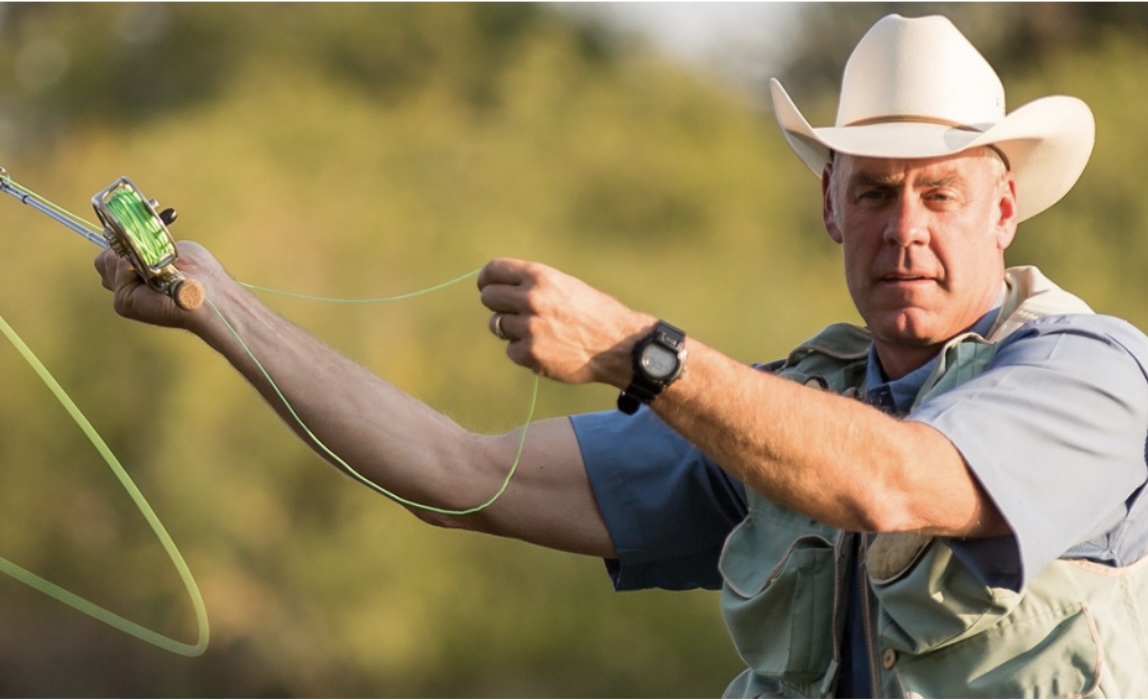
Montana Republican Congressman Ryan Zinke announced Monday that he will not seek reelection, becoming the 52nd member of Congress to depart the chamber following the November midterms. For many Alaska leaders, particularly those focused on energy development and land access, Zinke’s decision marks the exit of a longtime ally.
Zinke, a former Navy SEAL who represented Montana from 2014 to 2017 and again since 2023, said his decision was driven in part by lingering injuries from his years in Special Operations. He disclosed that he has undergone multiple surgeries since returning to Congress and faces several more after leaving office.
“While my belief in term limits for elected office is a consideration, I have quietly undergone multiple surgeries since I returned to Congress and unfortunately face several more immediately after leaving office,” Zinke said in a statement. He added that recovery will require significant time with his wife, Lola, and their family.
Zinke said he will serve out the remainder of his term but believes Montana and the country deserve “full-time representation in Congress” without the risk of absences due to medical procedures.
His departure adds to a growing list of lawmakers exiting Washington. Of the 52 members not returning next winter, 31 are Republicans and 21 are Democrats. Democrats have already labeled Montana’s 1st Congressional District as “in play,” although it leans Republican according to national political handicappers.
Zinke’s connection to Alaska runs deeper than his time as a House member. As Secretary of the Interior under President Donald Trump from 2017 to 2018, he advanced a series of policies closely aligned with Alaska’s resource-based economy.
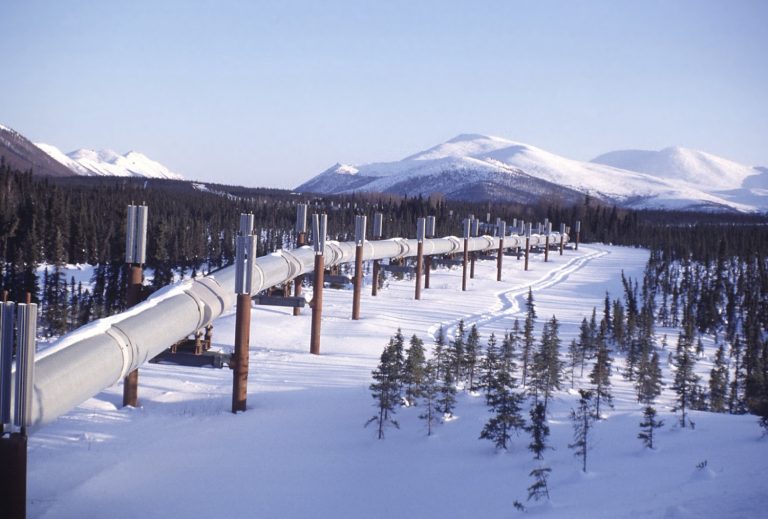
In 2017, Zinke signed a Secretarial Order directing a review of oil and gas development opportunities on the North Slope, including in the National Petroleum Reserve-Alaska. The move was seen as an effort to expand leasing and exploration in federal areas long viewed by Alaska officials as critical to maintaining throughput in the Trans-Alaska Pipeline System.
He frequently highlighted updated US Geological Survey estimates of billions of barrels of technically recoverable oil and tens of trillions of cubic feet of natural gas in Alaska’s federal, state, and tribal lands and waters, framing the state as central to the administration’s push for “American Energy Dominance.”
Upon Zinke’s resignation in 2018 to join the Trump Administration, Sen. Dan Sullivan said Alaska had “no better friend” in the Interior Department, comparing him to former Interior Secretary and Alaska Gov. Wally Hickel.
Zinke also approved a land exchange in 2018 intended to facilitate construction of a road between King Cove and Cold Bay through a portion of the Izembek National Wildlife Refuge.
The road has been sought for decades by King Cove residents who argue it is necessary for reliable emergency medical access in a region frequently grounded by weather. Environmental groups opposed the exchange, citing potential impacts to internationally significant wetlands and wildlife habitat.
Zinke’s approval of the land swap represented a renewed federal acknowledgment of the safety challenges in rural communities.
During his tenure as Interior Secretary, Zinke made multiple trips to Alaska, meeting with state officials, Alaska Native leaders, and industry representatives. He even engaged with the hard-left Alaska Federation of Natives, participating in discussions involving energy policy, infrastructure, and public lands management.
While some of his policies drew legal challenges from environmental law fare groups, Alaska’s Republican leadership and pro-development organizations saw him as a cabinet secretary willing to advance the state’s economic priorities.
Zinke was first elected to Congress in 2014, left to join the Trump administration in 2017, and returned to the House in 2023 after Montana regained a second congressional district.