


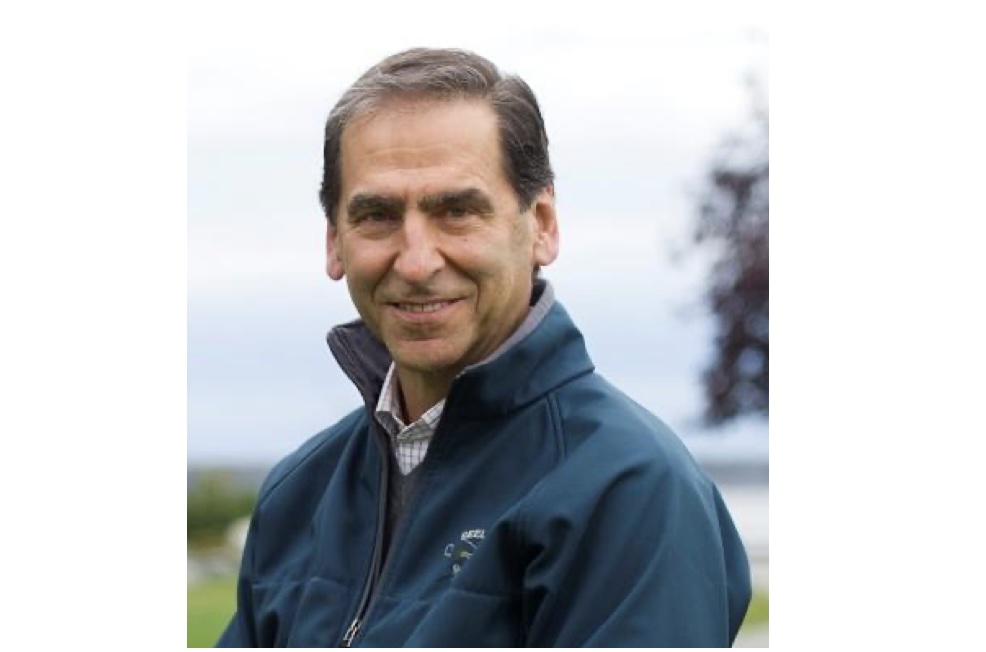
By LOREN LEMAN
May 27, 2026 – Last year I lost a family member after a hard-fought battle with prostate cancer. He wasn’t the first and sadly won’t be the last. Prostate and colorectal cancers too often strike quietly, advance relentlessly and take their toll on older men before we realize what’s happening. But there are ways to detect them earlier, often extending lives.
Colorectal Cancer Awareness Month in March matters deeply to me, not just as a former policymaker, but as a family member and friend who has seen firsthand how devastating cancer can be when it is detected too late. Colorectal cancer is the second-leading cause of cancer deaths nationwide, and for Alaska Natives, incidence rates are among the highest in the world. This is sobering because, when detected early, it has up to a 91 percent five-year survival rate. Yet, only 70% of adults aged 45 and older in the United States are up to date on regular screenings. This gap in screening is costing lives.
As a former elected official, I spent 18 years focused on policies to protect Alaskans’ health, wealth and well-being. I believe that health freedom includes access to early, practical and reliable screening options, no matter where you live. But like I have done, you need to take the initiative.
For many Alaskans access to preventive screenings is not as easy as dropping by your doctor’s office. Alaska’s geography means many villages are accessible only by aircraft. This, combined with harsh weather, high travel costs, and time away from work, makes routine medical visits difficult.
Over time, this reality widens disparities in detection and care, allowing many treatable cancers to go undiagnosed until options are limited. Early detection and routine screening are vitally important. We cannot wait for symptoms to appear because by the time cancer makes itself known, it may already be advanced.
I am grateful that innovation in medicine is closing the screening gap. Advances in screening technology now allow physicians to meet patients where they are, without airfare or extra costs. One example is the Shield test, the first and so far only FDA-approved blood test used as a primary screening option for colorectal cancer for adults 45 and older at average risk. While colonoscopies, which I have had, remain the gold standard, the Shield test provides a less invasive, often more accessible option. This test is also covered by Medicare, VA Community Care and, recently, TRICARE – ensuring coverage for those eligible in Alaska’s 27,000 active duty, National Guard and reserve members.
Innovations like the Shield test show immense potential to improve health care in Alaska. I encourage you to speak with your healthcare provider about screening options and then act to get this done, because early detection can save your life.
Loren Leman is a former legislator and Lieutenant Governor of Alaska


2 thoughts on “Loren Leman: New test can close Alaska’s cancer screening gap before it costs more lives”
See!Republicans are no more no less government dependent than Democrats.
Why do Alaskans must promote and look to government aka taxpayers to pay for as much as the consumer says they need.
Truth of the matter if there was no IHS, VA, Medicaid, Medicare you’d be paying for your own health care and screening tests. ONEDAY I think today’s Americans will be learning what WW1 generation experienced when they woke ip on Oct 1929 and saw everything gone.
Get used to learning how to pay for everything because I think the “Free ride” will end. I know so because no country or kingdom lasts when it’s weighing down the people holding it up and the weight is far greater than the strength of the people.
Thanks Loren for your time and energy to help get this all important message out.
Now all that needs done is educating all residents of the importance of the simplified method of detection for those who refuse even the thought of a colonoscopy especially rural areas with limited facilities for blood testing.