


By SUZANNE DOWNING
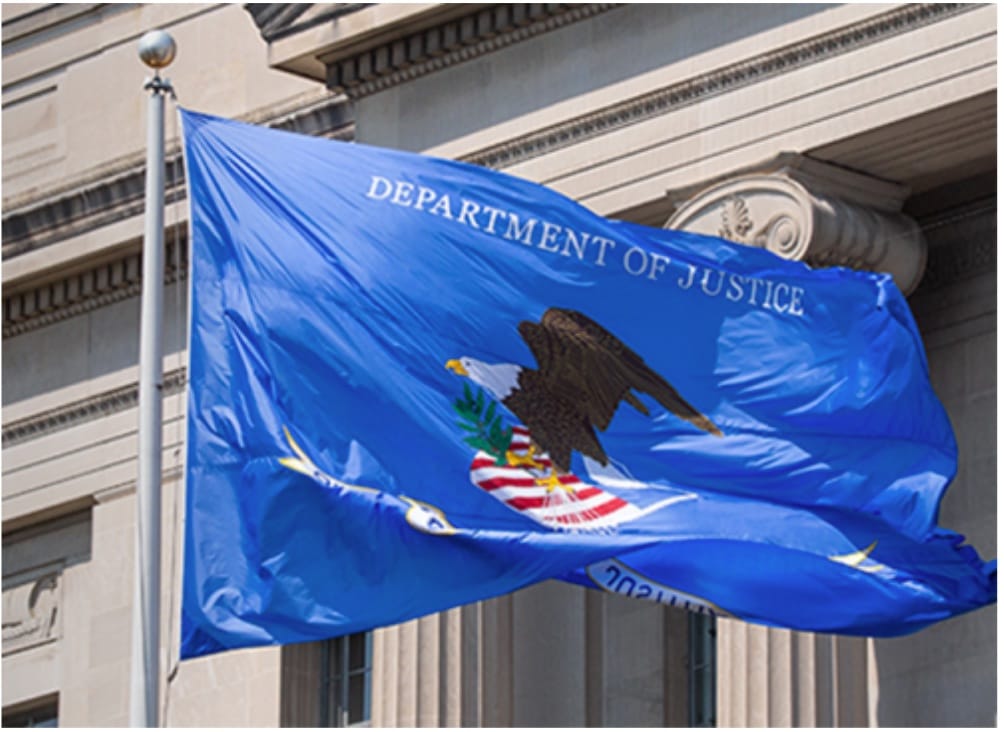
April 22, 2026 – The American Civil Liberties Union of Alaska and allied left-leaning advocacy groups have filed a lawsuit against the Alaska Division of Elections, alleging the state unlawfully shared sensitive voter data with the US Department of Justice.
The lawsuit, filed in coordination with the Electronic Privacy Information Center and the ACLU Voting Rights Project, challenges the state’s December 2025 decision to provide the federal government with an unredacted version of Alaska’s voter registration list. The plaintiffs in the case are the League of Women Voters of Alaska and the Alaska Black Caucus.

According to the complaint, the dispute stems from a broader request issued by the Department of Justice in May 2025, when federal officials sought full voter rolls from nearly every state and the District of Columbia. The plaintiffs characterize the effort as an attempt to create a national voter database without proper authorization. Alaska was among a minority of states that complied; 29 states and the District of Columbia declined to provide the requested information.
At issue is the scope of data shared. The lawsuit alleges that Alaska transmitted highly sensitive personal information, including voters’ full names, dates of birth, residential addresses, driver’s license numbers, and in some cases the last four digits of Social Security numbers. The plaintiffs argue that releasing this information exposes voters to privacy risks and potential misuse.
The legal challenge also targets a memorandum of understanding signed between the state and federal government. Under that agreement, Alaska reportedly committed to assist in future voter list maintenance efforts at the direction of the Department of Justice, including potential “cleaning” of voter rolls. The plaintiffs contend that such provisions conflict with Alaska law and could lead to improper removal of eligible voters.
Marianne Mills, co-president of the League of Women Voters of Alaska, said safeguarding voter information should transcend political divisions and is essential to maintaining trust in elections.
Yolandous “Doyle” Williams, board chair of the Alaska Black Caucus, said the group is concerned the data-sharing arrangement could undermine voter participation and disproportionately impact communities that have historically fought for access to the ballot.
Attorneys involved in the case argue the issue touches on two fundamental rights: privacy and voting access. Eric Glatt, legal director for the ACLU of Alaska, said the state failed to defend those interests when it agreed to the federal request. Theresa J. Lee of the ACLU’s Voting Rights Project added that the sharing of unredacted data could erode public confidence in elections.
John Davisson said the case raises the question of whether states have an obligation to resist federal overreach when “privacy” is at stake.
The plaintiffs are asking the court to order the Department of Justice to destroy any copies of Alaska’s voter registration data it received, void the memorandum of understanding, and prohibit any future sharing of unredacted voter information.





9 thoughts on “ACLU sues Division of Elections for sharing voter information with Department of Justice”
Lefties worried that they’ll cross reference voter rolls with death certificates? People registered in multiple states? Undocumented Aliens registering to vote? Lawfare proceedeth…
The only people who fear sharing voter data with the DOJ obviously know they have something to fear from a DOJ review. And it’s not some hysterical BS claim of voter intimidation.
Ah, the myth of insecure elections. If our elections are so flawed, just how did Trump manage to get elected again? Apparently that election was just fine – it was only the one he LOST that was rigged. You cast doubt on the election system solely to foment civil disobedience (read: crimes) when you lose badly this November (and thereafter), and to illegitimize duly-elected Democrats.
No greater sin has ever been committed by MAGA and the GOP than to discredit our elections (well, the pardoning of the J6 criminals runs a very close second).
You conveniently forget obamama and Hillary and the” Russia stole the election ” lie. When you cast blame on the GOP fordiscrediting elections. And don’t leave out Al Gore in 2000 with the “Hanging Chads” alleging that Bush Stole Florida with the connivance of the courts. That was a BOGO deal, undermine elections AND the Courts. Conveniently memory holed by Phoney Hans
I don’t totally understand ERIC implemented a few years back, but how come the ACLU didn’t complain about that ‘sharing’ of information?
My God, the lengths that radical leftists will go to fight election integrity, and to foster and advance the subversion of the vote for their own narrow and partisan advantage. Their hysteria in the face of common-sense electoral integrity measures and proposals speaks for itself.
.
But this is just par for the course with neo-Bolsheviks: if you can’t win under the existing rules, then change the rules to your advantage. And if you DO manage to win, ever, then subvert the system even further to cement your one-party rule forever. As seen in Massachusetts, California, Washington state, and now Virginia.
Any time you see the League of Women Voters involved in anything you can be sure it is not for the benefit of the public. They are simply another front for the democratic party just like the ACLU and the Southern Poverty Law Center. I could name a dozen other NGO’s but you get the point. The League was the big push behind the all write in ballots in Juneau for municipal elections. That alone tells you all you need to know.
It is an irrefutable fact that NGOs like the UCLU are nothing more than money laundering organizations.
No. Your statement is quite “refutable” using evidence and reason. Try it! Try applying evidence and reason to Christian myths and see what happens.