


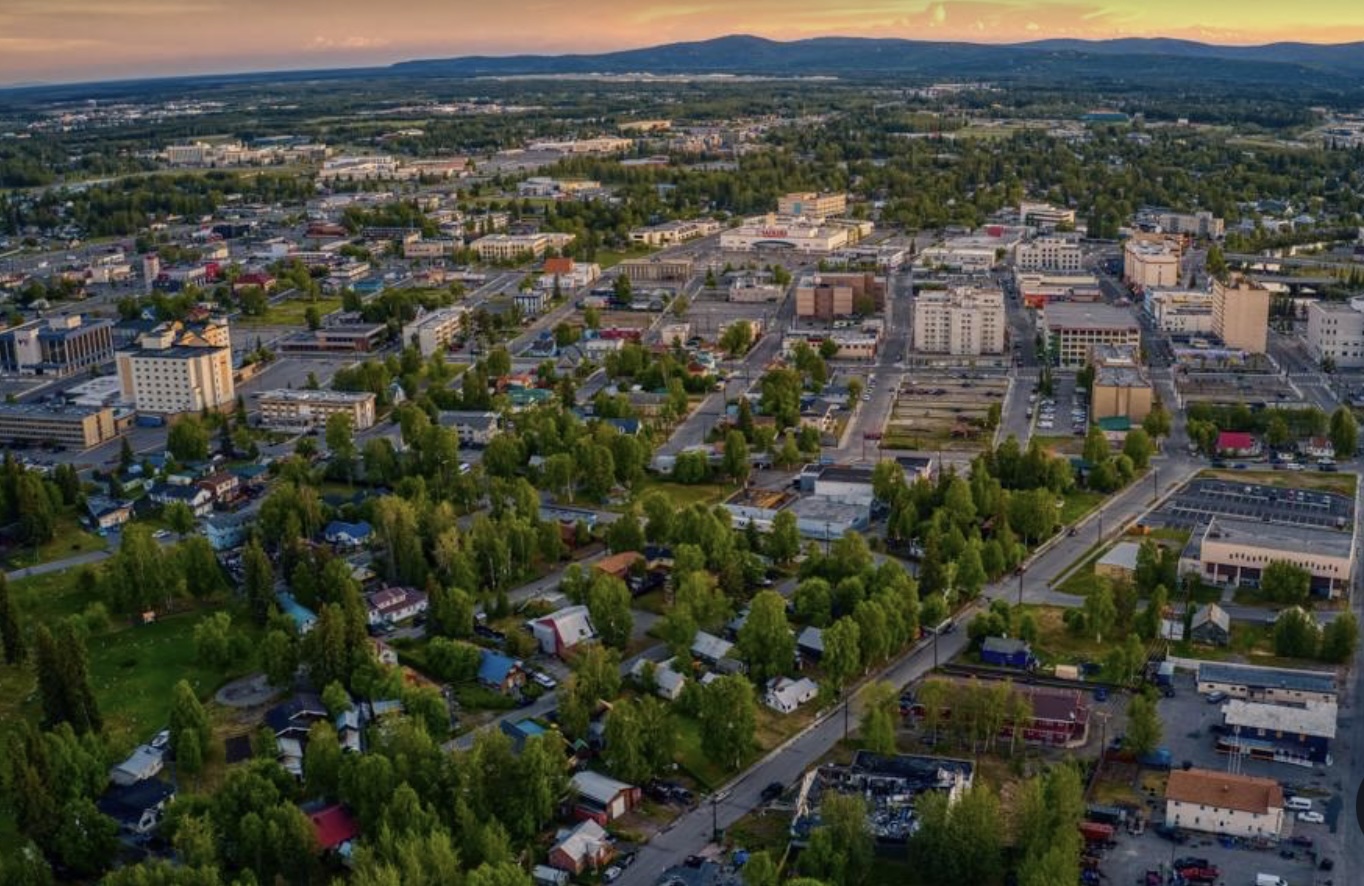
By BARBARA HANEY
April 5, 2026 – In February 2026 the Fairbanks North Star Borough automatically clawed back $11.4 million from the Fairbanks North Star Borough School District.
The independent audit left no room for debate: the district’s unrestricted fund balance for Fiscal Year 2025 exceeded the 40 percent cap set by borough code. The surplus came from real efficiencies—lower health-insurance enrollment, stronger federal Impact Aid, and unfilled positions—not from waste or mismanagement. The money is now back in borough hands, earmarked for the school maintenance reserve.
This outcome was predictable. During last spring’s budget process—my final year on the Assembly—I warned colleagues against rushing additional baseline spending into the district’s budget. Mayor Hopkins first proposed raising the local contribution from $58 million to $60 million using one-time interest earnings.
I supported examining that figure but stressed the need for caution. When the Assembly locked in the $60 million floor in April, I cast one of the two “no” votes. In May the majority tacked on another $2.78 million, bringing the total local contribution to roughly $62.7 million, nearly $5 million above the prior year. I voted no again.
My position was simple and consistent with the fiscal conservatism I practiced throughout my term: hold the extra money as “dry powder” for targeted supplemental appropriations once the state funding picture clarified and actual needs were documented. It is easier to add supplemental funds later than to claw back funds that have been dispersed. I also highlighted the strengthened Capital Improvement Program process the Assembly had just approved, which gives us a clearer view of real maintenance priorities instead of simply writing bigger checks and hoping for the best.
The clawback proves the wisdom of that approach. While the district quietly built healthy reserves through prudent management, the public narrative remained one of crisis: closed elementary schools, outsourced custodial services, rising class sizes, and staff reductions. Taxpayers were told more money was the only answer. Borough code, unchanged since 2018, required the automatic return of the excess. The system worked exactly as designed: a taxpayer-protection safeguard I supported in principle long before this episode.
Here are the clear budget lessons this event offers for the current Assembly and mayor:
1. Reserves are not a dirty word. Healthy fund balances signal efficiency, not greed. Locking in higher baseline spending just because “extra” money exists invites future clawbacks or tax-cap pressure.
2. Supplementals beat permanent increases.
One-time needs should be met with one-time appropriations. It is far simpler—and less politically painful—to approve a supplemental later than to claw back money already sent downstream.
3. Demand prioritized project lists. The new CIP process exists for a reason. Require the district to submit clear, ranked maintenance and safety projects before we open the checkbook wider. The 2024 Letter to the Editor that earned me a $1 censure made exactly this point about stairwells, asbestos, and deferred maintenance at Lathrop and Tanana.
4. State responsibility first. Education is a constitutional duty of the State of Alaska. Local taxpayers already shoulder an outsized burden. Every additional local dollar should be scrutinized twice as hard.
5. Transparency and accountability protect everyone. The automatic clawback mechanism is not punishment; it is stewardship. When the audit triggers it, the public learns the district was not “starved.” That knowledge should guide future decisions, not fuel finger-pointing.
I have never been anti-school. I raised six children and grandchildren in Alaska public schools, helped craft education funding formulas as legislative staff, and taught economics at the University of Alaska. What I oppose is writing blank checks without accountability. Fiscal responsibility is not cruelty; it is stewardship of the tax cap and the property-tax dollars families work hard to earn.
The $11.4 million now back in borough coffers can repair actual facilities or ease pressure on the tax cap. That money never should have left taxpayers’ pockets in the first place. As the new Assembly prepares its next budget, I hope they treat the clawback not as an embarrassment but as a teachable moment: sometimes the wisest use of public dollars is to keep them in reserve until they are truly needed.
Barbara Haney, Ph.D., is an economist, former UAF faculty and Director of the Center for Economic Education, and former borough assembly member. Her opinions are her own.

3 thoughts on “Barbara Haney: Budget lessons from the Fairbanks North Star Borough ‘clawback’”
Congratulations! People handling Taxpayer money must always remember it’s not government’s money just because it collects it. Government can’t make money of its own to do whatever it wants with it nor bargain for how much one thinks they deserve of it. It belongs to taxpayers and state is only as rich as its private sector. Government dependent jobs expenses should never be outgrowing the private sector’s profits.
I hope Barbara returns to politics, and soon. Has she thought of running for the State House?
Barbara, thanks for a great article. You never really fit in on assembly. Too honest, too responsible, too much common sense. Now Tammi is left alone to fend off these lunatics. It’s like a bad zombie movie. Hopefully the tables will turn soon. 4/6/26 11:31am