


By ROBERT SEITZ
April 1, 2026 – Once again, influencers and people of position are demonstrating a lack of concern or interest or even understand of a proper long plan for Alaska. For instance, we see people wanting to more heavily tax the oil and gas industry when the oil and gas industry is what we hope will increase investment in Alaska to ensure an increase of production and thus to provide a higher level of revenue on which a budget can be based.
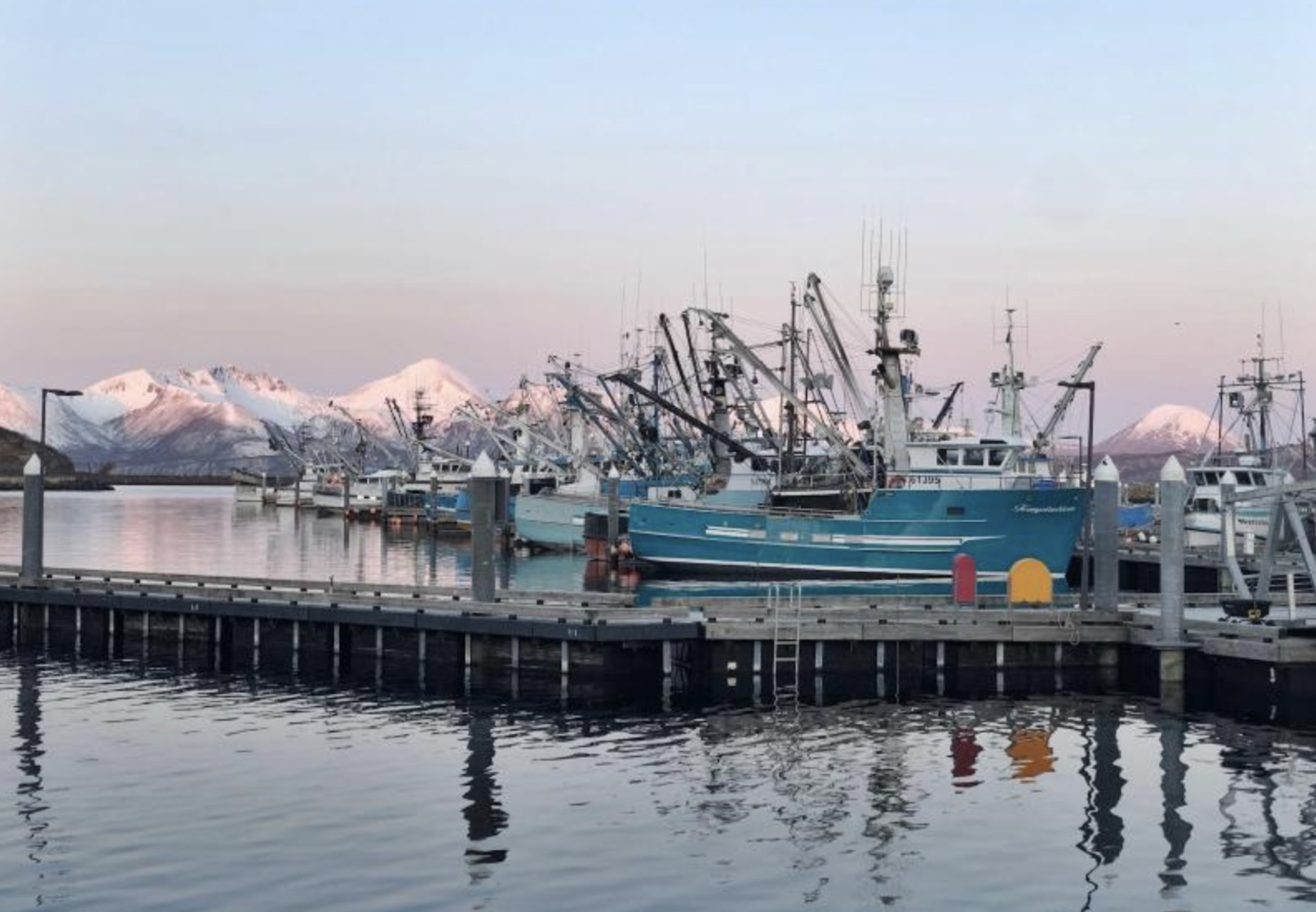
To ban trawlers affects a large amount of the fishing industry of Alaska, and would have a negative economic impact on people of Alaska. I see on-line comments about blue-water trawlers and statements of very high halibut bycatch. The reports of high bycatch are not well supported by the published data on bycatch for each fishery.
If there are vessels or a fishery that is responsible for very high bycatch of salmon or halibut they need to be identified for this action and a practical solution devised. One thing to keep an eye on is the impact on Alaska communities. Maybe scaling down the size of vessels and nets might prevent whatever high bycatch might exist.
The movement is fueled by the decrease in chum and Chinook salmon in the Yukon and Kuskokwim Rivers. People and groups with motives other than recovering salmon runs have a stake in the movement that distorts our view of the real issues. There are environmental groups who are concerned with the release of carbon (carbon dioxide) when trawl nets drag the bottom and stir up bottom material. That has no impact on returning chum or chinook numbers to levels of earlier years.
The “Ban Trawlers” crowd, mostly seems to be non-commercial fishermen; are not from the Bering Sea Area; or are environmental types who want to ban any kind of commercial fishing, to save the fish. My friend Karl Haflinger ,who was greatly involved in the regulation of bycatch on all kinds of fishing vessels, provided me with some reading material concerning the chum and chinook (or dog and king) bycatch which reveal evidence of other reasons for the decrease in the availability of these salmon.
One paper “The Fall of the Yukon King” described commercial fishing with large mesh gill nets in the Lower Yukon River in recent years. This had the effect of catching more chinook salmon, and apparently the larger Chinook salmon which has apparently eliminated all or most of the available genetics for large fish in the Yukon River. That surprised me greatly as a former Cook Inlet fisherman who was restricted from using “king” gear (the large mesh gill nets) in the 1960’s.
Karl also provided me with a link to one of the reports from Sea State which presents bycatch, sonar count, catch and escapement data for chum and chinook fisheries. Hatchery fish from Japan, Russia, Korea and the United States are adding complication to the bycatch problem. Bycatch in the Bering Sea appears to have a much larger representation of Russian fish than fish from Western Alaska. So there is no clear evidence of a particular fishery that has high percentage bycatch of either chum or chinook identified in this report.
We need to do something to identify the cause causes of decrease in various populations of our fisheries. At the Alaska Marine Science Symposium held in Anchorage in January one presentation demonstrated that warm fresh water had a negative impact on juvenile fish (fry and smolt) as far as their ability to survive in a marine environment after they leave the fresh water spawning stream.
There are solutions; we just need to determine which the best solutions are.
My sons have been successful “sustainable trawler” fishermen, so it is not just the trawler that is a fault. There are features such as “excluders” for use on trawl nets to help prevent some species from entering the net. There are underwater electronics such as cameras that can provide a view of the mouth of the net so the bridge can have a view of what is entering the net and allow the captain to change course or change speed to change performance. Some trawl fisheries permit anchored pots to be used instead of a trawl net.
I read in the National Fisherman that some Alaskans are going after Congressman Nick Begich because he won’t do anything to eliminate them. We need to find the problem first. If trawlers are involved with extreme high bycatch, which trawlers, what area, and what fishery? Nick Begich is in a position to participate in the development of legislation which can direct Federal Agencies to research the issue to determine if there are factors that have impact on the number of chum and Chinook salmon available for escapement into the rivers, or there are unscrupulous fishermen who don’t care about the bycatch rules. The Alaska legislature should produce similar legislation to direct Alaska State agencies to investigate this problem.
All the trawlers are not factory trawlers; some are family trawlers, and families which live in Alaska. A lot of people have been looking at these fishery problems, so there are lots of ideas and data out there that may point to the actual problem when all of them are looked at together.
It would be a shame to ban trawlers and find years later that the salmon or halibut still have not returned. This may be a problem AI can be turned loose on to analyze the vast array of data and reports and find some commonality. Let’s be resourceful and thoughtful in our approach to best ensure we find the problem and come up with the solution.
Robert Seitz is a professional electrical engineer and longtime Alaskan.

3 thoughts on “Robert Seitz: Banning trawlers outright is not good for Alaska”
The Seattle based factory trawl fleet has admitted in past North Pacific Fishery Management Council meetings that their football field sized nets are on the bottom of the sea up to 80% of their time fishing for pollock, even though the Council defines their fishery as a mid-water trawl fishery! Keeping their nets OFF the bottom would help stop their horrendous bycatch of halibut & crab but they have vehemently resisted any efforts to curtail this destructive practice.
It all depends on where in the water column the target fish are at. When they are near the bottom the mid water trawl will be on the bottom a lot. I tried to find numbers for the halibut and crab by catch but could not. To solve this problem we need data, we need discussion and then we can have decisions.
You obviously are not very knowledgeable about this subject if you can’t find the numbers on halibut, salmon and other bycatch species for the Seattle based factory trawl fleet fishing in Alaska! There are copious amounts of data available through NMFS/NOAA, the NPFMC and non-partisan citizen watchdog groups such as STOP Alaskan Trawler Bycatch. Also, there has been decades of discussion amongst the above-mentioned alphabet agencies concerning the horrendous bycatch problems with the trawl fleet and their destruction of the sea floor when their huge nets make contact with the sea floor.