


By SUZANNE DOWNING
March 29, 2026 – A newly announced liquefied natural gas shipping concept on Alaska’s North Slope is being rolled out not as competition to the near-ready Alaska LNG pipeline led by Glenfarne and the Alaska Gasline Development Corp., but as another potential way to move stranded North Slope gas to market.
Polar LNG announced the launch of a shoreside LNG project at Prudhoe Bay, along with the appointment of industry executive Joel Riddle as president and chief executive officer. Riddle was most recently with Tamboran Resources Ltd. in Australia.
Joel Riddle: Alaska’s moment for revenue, speed, and security with LNG
All of a sudden, Alaska is the hot date for energy companies, drawing renewed attention as a global energy frontier. Strong results from recent North Slope oil lease sales, Glenfarne’s advancing Alaska LNG project, and growing interest in mining, timber, and Arctic shipping have put the state back on investors’ radar.
With national energy policy emphasizing domestic production and Arctic infrastructure, additional concepts like this North Slope LNG shipping proposal are emerging as companies look for ways to tap Alaska’s vast resources. Each proposal faces major logistical and financial hurdles, but the momentum is notable: Alaska is back on the map as an energy heavyweight, and industry excitement is building.
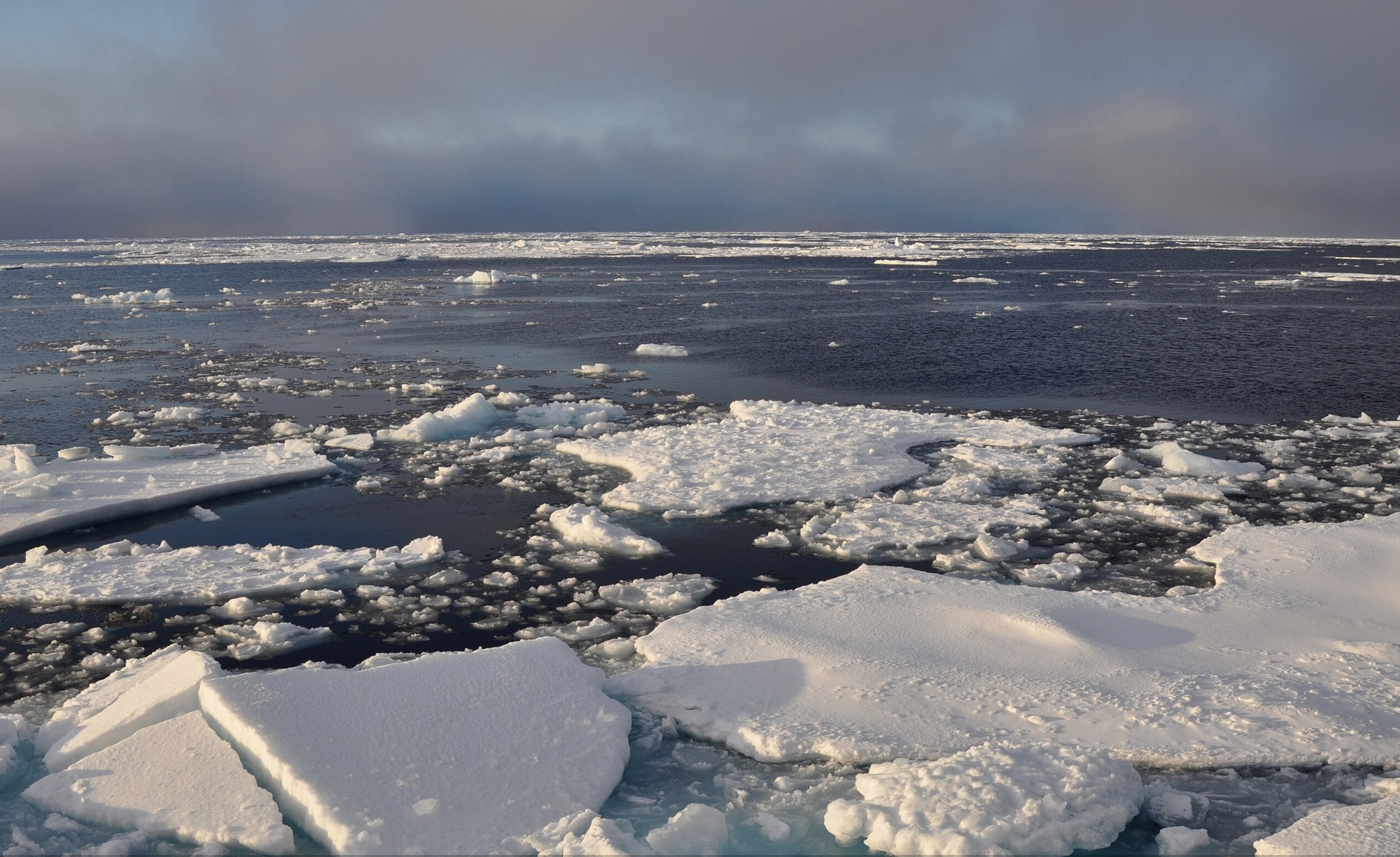
The Polar LNG concept, still in its infancy, would liquefy gas directly on the North Slope and ship it to Asian markets, leveraging Alaska’s shorter Arctic routes.
It has curious timing, coming just as the Glenfarne-AGDC Alaska LNG project continues advancing toward the anticipated “final investment decision,” which project leaders have indicated could come within weeks.
Breaking: Alaska LNG moves into execution phase, Glenfarne announces, including Enstar agreement for purchase of gas
That effort envisions an 800-mile pipeline from the North Slope to Southcentral Alaska, where gas would be liquefied and exported from Nikiski, on the Kenai Peninsula. Construction of work camps and the moving of materials is expected to take place within weeks.
This is not the first time ocean shipping of Alaska natural gas has been considered. The over-the-oceans concept has been explored for years. Former Lt. Gov. Mead Treadwell was involved in an LNG shipping project; as Chairman of Qilak LNG, he proposed exporting the gas from Alaska’s North Slope to Asian markets via icebreaking ships as recently as in 2025.
The AGDC has explored the concept ad published its findings in this paper.
Rather than positioning itself against the pipeline, Polar LNG described its concept as complementary infrastructure designed to accelerate development of Alaska’s massive stranded gas resource. The company said scalable infrastructure and upgrades at Prudhoe Bay’s West Dock could enable year-round operations and create logistics capabilities that benefit future North Slope projects as well.
It may indeed be complementary, because gas pipeline, if built, will have shipped many tons to Asia from Nikiski before Polar LNG ships its first load.
The North Slope holds enormous gas resources that have remained undeveloped for decades, largely due to the cost and complexity of building export infrastructure. Also, the gas has been needed on site, re-injected into oil fields to force out more of the crude oil, which has a higher market value than the natural gas, and has a pipeline to ship it to Valdez for export.
Shipping it by ocean is not without its challenges. The project has a completely different permitting process and timeline it has not started. It may not have the social license, may encounter deep resistance from whalers who use the same waters for the narrow timeline that they are open every year.
According to the project description, the Polar LNG concept would use a nearshore liquefaction model intended to reduce timelines and capitalize on Alaska’s geographic advantage, roughly 3,600 miles to Japan compared with more than 10,000 miles from the US Gulf Coast.
That shorter shipping distance has long been cited as one of Alaska LNG’s strongest selling points to Asian buyers. A second pathway to market could reinforce that advantage by demonstrating multiple export options from the North Slope.
The project does not seem to address the approaching severe energy deficit in Southcentral Alaska, and does not likely provide the job numbers that the Alaska gasline promises. There is a Russian gas project has not been able to deliver recent shipments due to icebreaker breakdowns.
According to Maritime Executive, “Severe ice conditions and a shortage of specialized vessels have stalled Russian Arctic LNG 2 shipments and hampered Baltic oil exports in early 2026. Thick ice forced a shadow fleet tanker to abandon loading in the Arctic, while the Baltic Sea’s worst ice in 15 years required nuclear icebreaker escorts.”
Russia’s Arctic LNG 2 project is operating at only about 25% capacity because ice is too thick for most tankers, relying on a single ice-class tanker to move fuel, an example of some of the challenges encountered by competitors in the Arctic.
The Polar LNG company, however, emphasized potential benefits for Alaska, including state revenue from gas production, property taxes for the North Slope Borough, Arctic infrastructure improvements, and expanded maritime capability in the Beaufort Sea.
For Alaska policymakers, the emergence of another concept brings home a more complicated scenario: The state’s vast gas resource may ultimately support more than one project. The Alaska LNG pipeline remains the largest and most advanced proposal, and could start breaking ground this year, but smaller or phased export concepts could help de-risk development and prove market demand. Permits and social licensing are going to be key to advancement of the Polar LNG concept.
The project is just being unveiled now and company’s website is now live at www.polarlng.com.
With Glenfarne and AGDC nearing a final investment decision, the timing of the Polar LNG announcement is a development that is sure to spark animated discussions in the energy industry, but whether this project has legs or is just another pipe dream remains to be seen.
Giessel cements her role as face of resistance to Alaska LNG project

4 thoughts on “Breaking: Alaska back on the map as new North Slope LNG proposal emerges as potential complement to Alaska LNG pipeline”
Great, another Australian. If folks have not noticed, Australians, including Glenfarne, do a lot of promoting. And not so much doing. I hope I am wrong but it will take actual money spent on contractors and materials before I believe that any of this is real. I hear a lot of sizzle but do not smell the steak, let alone see it. Reeaally, as the Aussies say.
Talk is cheap. Steel is expensive.
The author us correct that permits and dnvironmental reviews are required. These generally take several years.
Both projects require extraction of carbon dioxide (CO2) from the natural gas. A CO2 extraction facility (on the No Slope) would have to include expansion capacity for both projects.
A project doesn’t become “real” until a NEPA notice is filed and the process advances.
Over the top route from Prudhoe to Kotzubue would require half the pipe, significantly cutting capital investment for the project. Cheers –