


By SUZANNE DOWNING
Feb. 23, 2026 – Alaska’s public education system continues to rank near the bottom nationally in key academic outcomes, but some lawmakers in Juneau are pushing legislation that emphasizes cultural programming, rather than improving basic reading, writing, and math performance.
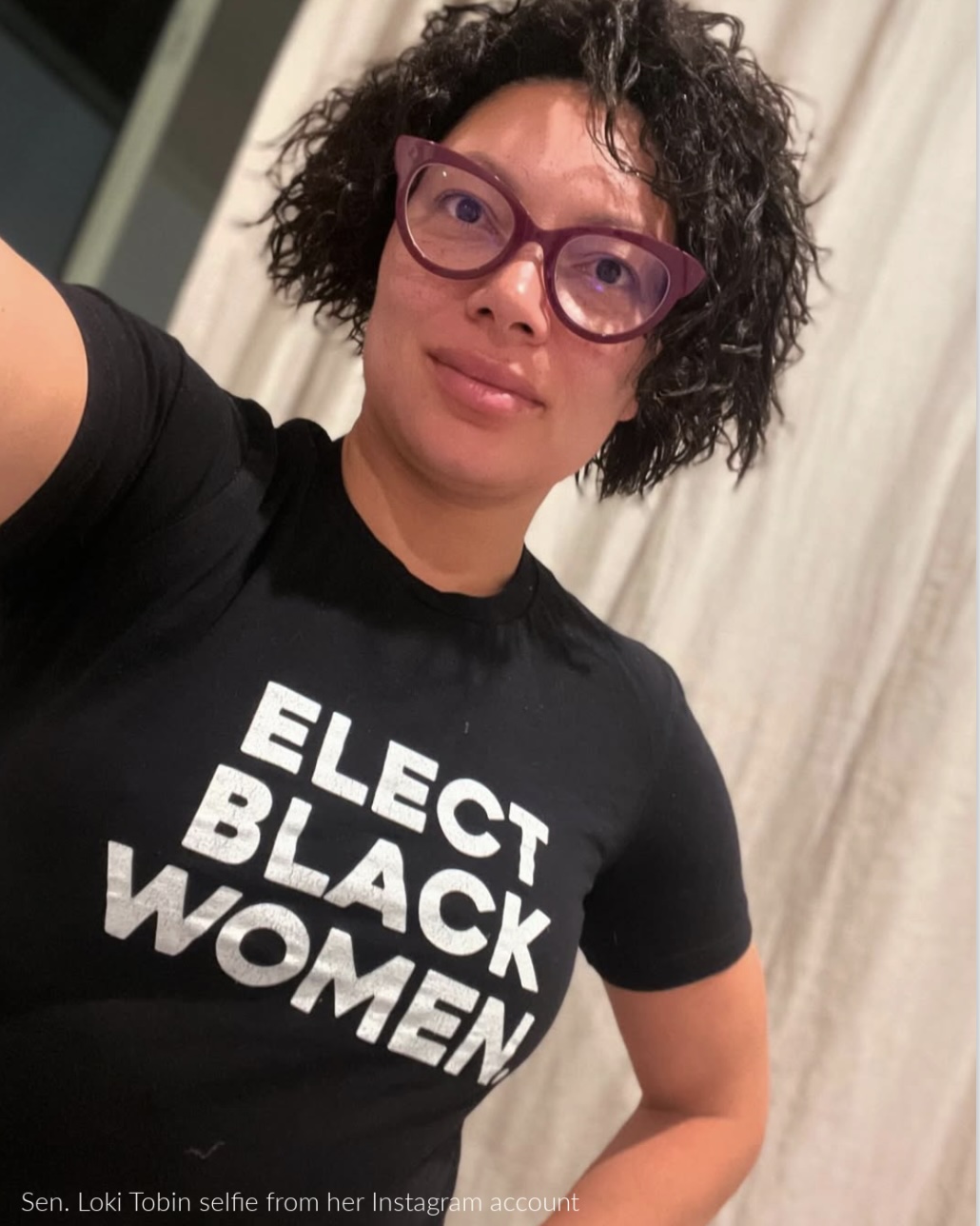
One example is Senate Bill 210, sponsored by Sen. Löki Tobin, which would revise Alaska’s education policy to force students to learn about the distinct cultural heritages of Alaska Natives and American Indians. The bill’s sponsor statement says the goal is to create a more “equitable” educational landscape by integrating Indigenous knowledge and perspectives into public school curricula.
SB 210 would force school districts to work cooperatively with tribes — it doesn’t say which tribes — to provide students with information about cultural heritages and contemporary contributions of Alaska Native and American Indian communities. It also calls for school personnel to have an understanding and awareness of tribes and would require districts to consult and contract with local tribal entities to develop curricula, programming, and related activities.
Tobin says it merely codifies existing practices of tribal consultation. Her legislation is part of a broader national movement, citing similar efforts in states such as Montana and Minnesota.
However, the bill is remarkable in that it carries no fiscal note, even though it would add consultation and curriculum development expectations for school districts already facing staffing shortages and budget pressures.
It adds yet another mandate, without dedicated funding, and without addressing Alaska’s more immediate educational challenges, including low proficiency rates in core academic subjects.
Tobin, who is pursuing a PhD in Indigenous studies, has said she wants to incorporate “local knowledge and ways of knowing” into Alaska’s education system. “Ways of knowing” is a term used to describe how some people — Native people — are wired to know things that others don’t know.
Terri Walker, superintendent of the Northwest Arctic Borough School District for the past six years, testified in favor of the bill. She said that her district is building a curriculum that is culturally sustaining, community guided, and aligned with student identity, cultural values and well being.
“This framework honors and supports our Iñuniałiptikun Atautchikun (Together, Through our
Way of Life),” she said. ” SB 210 will strengthen and support this work. This bill is about equity, identity, and academic excellence to ensure that Alaska’s students are being prepared for careers to serve and support their communities, with pride in who they are.”
It is not a science, but more leaning into equity and identity. According to the Evidence for Action Initiative, “The Ways of Knowing Initiative is an effort to leverage collective wisdom and action to transform the health science knowledge system by uplifting the knowledge, expertise, and power of people and communities who have been historically oppressed and marginalized, and advance health equity research along a continuum towards health justice.” In other words, it’s Diversity-Equity-Inclusion by another name.


14 thoughts on “Alaska kids can’t read, but one legislator wants to make sure they’re culturally competent”
There should be a mandatory drug test for legislators.
Sadly Willy there is no blood test for this kind of addiction/hubris.
Yeah! Senator Tobin learned something new in her class and now thinks we all have to “benefit” from her “epiphany”.
Grow up! On the surface I think including native history sound like a valuable addition, however the way this is envisioned seem to make value statements, pitting one group against another and that’s just wrong. Teach AK history (I can recommend Aunt Phil’s Trunk). Teach kids to read and do math, a much better way to academic excellence and preparing students for careers and life as productive adults, than telling them that their heritage is holding them back.
Human history is the story of conquest, expansion and exploration, which leads to progress by incorporating ideas from others.
We’d be surprised which legislators and capital staff failed their drug test
Maybe even require an alcohol breathalyzer test upon entry every morning to see if the legislators and staff are sober before work
Tribal consultation. What, there are two or three recognized tribes in AK? They’re Village and Regional Corporations.
.
If the NWABSD, the NSB SD, or any other school district in Alaska believes there is merit to employing these practices within their region, then they should feel free to add it to their programs. Mandates from Juneau are no different than mandates from Disneyland (the one on the Potomac). We don’t need that 🐂💩here.
When an adult can’t read (well) at least beyond the basics or the sight words, they will NEVER understand ethnicities or cultures no matter how many cultural references of cultures the child was exposed to growing up. They will be an ignorant racist adult who can’t see nor think beyond their family influences and behavioral patterns.
Our State Legislators and staffers they know Nothing. If they did they wouldn’t had stayed on Alaska as long as they did. They’d be gone. They have the financial means to had moved.
Because Alaska’s BEST 25%of all graduating classes they all learned Alaska has nothing to offer them and they all left. The Alaskans left are either too ignorant or stupid to had left or too poor to had left.
You sure write some strange struff.
This sounds like virtue signaling to me. As also the t shirt Ms Tobin is wearing. I have no idea of the representative’s ethnic heritage but I am every bit as dark as she, which is actually olive, and am Eastern European. She is not black. Even if she is 50% African descent , she could also be any of a myriad of ethnicities, but it should not even matter. The virtue signaling and DEI is wearing thin. Our schools need to focus on reading, writing, mathematics, logic, history, absolutely, and should contain native history as well. As Tina mentioned above, if one cannot even read how can they learn about ‘ethnicity or native history.
Cultural understanding includes instruction about and in religion and religious perspectives, which I doubt Ms Tobin (or the courts) would support if other religious groups demanded equal treatment. No study of the history of Alaska can be complete without including Native history and culture – but please avoid racism and value judgments, and no DEI or wokism. SB210 is not the answer for our failing schools.
Typical boutique beliefs. ” we need to impose our politically correct claptrap, far more than spending limited class time teaching useful life skills”
Sorta like demanding the Ten Commandments be displayed at public facilities
Creating drama for more cash. Just what Alaska is not about.
It is honestly frustrating to see more mandates being added when our literacy rates are where they are. Does anyone know if the organizations involved in developing this “cultural competency” curriculum have shared any transparent data on their actual success rates in other states? I was trying to find more background on the groups supporting these specific legislative pushes and came across this page https://www.facebook.com/snapp2008/ but couldn’t get the full picture. Does this group have a direct connection to the consultants Senator Tobin is working with, or is it a separate community initiative?
The Tribal Consultation provision in this bill is redundant. All school districts that receive Federal Title Funding or Impact Aid must have Tribal Consultation already in place or show that they have made good-faith attempts to consult with all local tribes. In some districts, you are talking about 10 or more tribes, as each village’s IRA is federally recognized. My worry is that it will put even more burden on school districts, and DEED will end up micromanaging the process.
If you look over the PowerPoint (https://www.akleg.gov/basis/get_documents.asp?session=34&docid=9911) shown during the hearing, what is conveyed by that presentation and the bill’s actual language seem disconnected. And some of the things being advocated in that presentation WILL end up costing the school districts’ time & money. Plus, almost every distict where a majority of students are Alaska Native is already providing professional development for staff on cultural connections and has some type of local cultural resources that teachers are required to use in the classroom.
Think of the kickbacks from consultants selling the textbooks and materials for the new curriculum. They have needs, too, like their new Porsches. The difference between a,porcupine and a Porsche? With the porcupine, the pricks are on the outside.