


By SUZANNE DOWNING
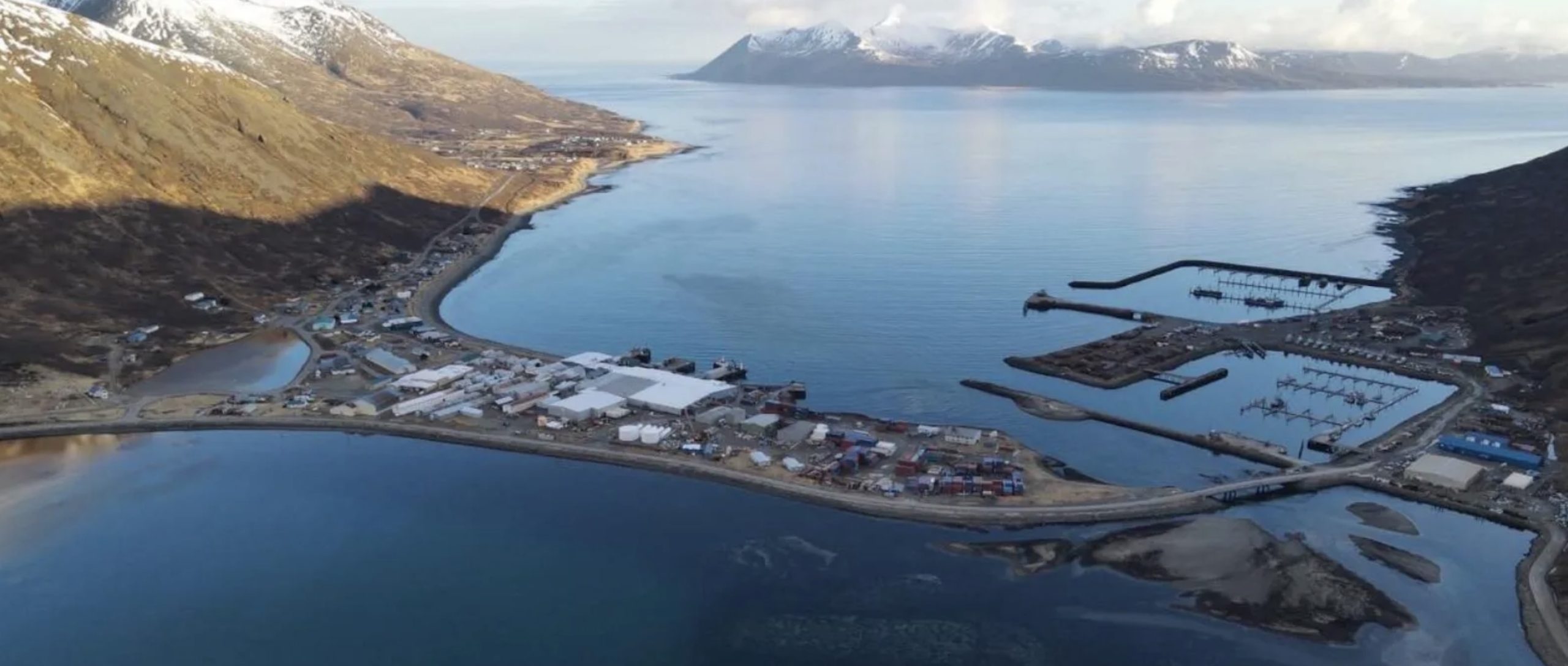
Feb. 4, 2026 – The State of Alaska has filed three new motions to intervene in federal court in support of the long-debated King Cove Road project, as a judge prepares to decide on an expedited schedule whether planned construction can move forward or be stopped.
The proposed road would connect the communities of King Cove and Cold Bay, which are only 18 miles apart, yet separated by rugged terrain and the federally protected Izembek National Wildlife Refuge.
For King Cove’s roughly 750 residents, the lack of road access to Cold Bay’s airport has long been a matter of life and death. Cold Bay is home to Alaska’s fourth-largest paved civilian runway, a critical link for emergency medical evacuations in a region where severe Aleutian weather frequently grounds aircraft and makes sea travel dangerous.
Supporters of the road argue that the inability to reach the airport reliably has delayed medevacs and contributed to preventable injuries and deaths over the years.
“This land swap represents a significant win for our State,” said Alaska Attorney General Stephen Cox. “Alaskans want to protect our lands, and we also want to protect Alaskans. This is an example of us doing both. More land is being locally managed and preserved, and now we can start a project that can save lives.”
The current legal battle stems from an agreement signed Oct. 21, 2025, between the Department of the Interior and the King Cove Corporation.
The Exchange Agreement facilitates the transfer of certain federal lands needed to build a 19-mile, single-lane gravel road through the Izembek Refuge corridor, creating a direct connection between King Cove and Cold Bay.
The State’s intervention motions come in response to three separate lawsuits filed in federal court challenging the legality of the exchange.
Plaintiffs in the cases oppose the road, arguing it would cause widespread environmental impacts in one of the nation’s most ecologically significant refuge areas.
The State, however, says it must be allowed to participate in the litigation to protect Alaska residents and ensure the project can proceed.
“The State is seeking to intervene in these cases to ensure that residents of King Cove can soon access emergency care and critical resources,” state attorneys wrote in filings.
The King Cove–Cold Bay road has been debated for decades, with past proposals blocked or delayed by environmental concerns and federal opposition.
But state officials say last year’s land exchange agreement is now being implemented, and Alaska has requested the final necessary permits from the U.S. Army Corps of Engineers.
State leaders also emphasized the local support behind the project, including from subsistence users and residents who have advocated for safer access to emergency services.
“This is a long-awaited project on which Alaskans have come together,” said Chief Assistant Attorney General Sean Lynch, “and together we will see it through to completion.”

2 thoughts on “State of Alaska files three motions to intervene as King Cove Road case heads to expedited court decision”
Build the dam Road! It should have been done years ago.
This should not even be a topic of discussion. During the Aleutian campaign of WWII there were thousands of troops stationed at Cold Bay. There are still miles and miles of roads and the remains of the quonset shelters that housed the military. That huge presence apparently did not adversely affect the migratory waterfowl of the Izembeck . A two lane gravel road to King Cove is a tiny fraction of the environmental impact of a military occupation that was once there. Incredibly stupid to not move forward with this life saving project for the people of King Cove.