



By SUZANNE DOWNING
Nov. 14, 2026 — Before the election, you could hardly open Facebook without seeing it: Bycatch, bycatch, bycatch. Trawler, trawler, trawler. You would have thought every problem in Alaska could be traced to a fishing vessel with a net.
Trawling became the prominent issue in the Alaska campaigns for governor, U.S. House, and U.S. Senate.
Since the election ended, it’s been crickets. We hear nothing about trawlers anymore.
This election’s kick dog had a propeller, an emotional connection with Alaskans that made fish a powerful propaganda tool.
If you want to move Alaskans, tell them someone is stealing their fish. Give them a fishing villain. Show them something upsetting. Repeat the accusation and distort the truth. Alaskans took the bait, hook, line, and sinker.
The noise about trawling was so loud that even asking a question became an act of disloyalty. If a candidate dared ask how much a particular policy would help a particular salmon run, they were accused of being in the pocket of the trawlers.
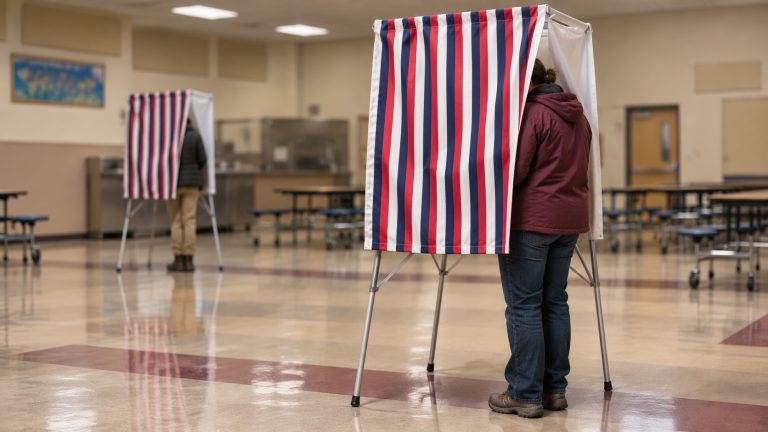
Campaign messaging has little patience for details, nuance, or even questions. Discussion of policy in any civil way would interrupt the anger cycle that drives people to the polls.
Anger is a motivator that turns a complicated management problem into a simple voting instruction.
We’ve seen this movie before: Climate change was the monster that made every public policy question a question of existential importance. During Covid, fear was the powerful driver for obedience, while disagreement was treated as a moral failing. People fell for it. You remember how Joe Biden won more votes than any previous presidential candidate in American history, despite campaigning with a mask on from his basement? Fear played a role, and Americans were suckers, only to end up with Dementia Joe and Crazy Kamala.
And, lest we forget, in 2014, the Alaska National Guard scandal became a defining issue in Gov. Sean Parnell’s reelection campaign, giving challenger Bill Walker a powerful weapon against the incumbent. There were documented failures within the Guard that deserved investigation and correction. But the campaign turned those institutional failures into a personal indictment of Parnell. Parnell lost. And the issue magically disappeared as soon as the election was over.
This year, in Alaska, the bad old trawlers supplied a convenient target, because it started with something people already care about: fish, food, livelihoods. Then it presses on the fear that something precious is being taken away, and that only the right candidate or the right movement can save it.
Good people got caught up in this. Smart people did, too. The propaganda worked its magic.
That is precisely when we need to slow down and be skeptical of the mailers and the digital ads that assault us every campaign season.
Before joining the chorus of “ban the trawlers,” how many people could explain who actually manages these fisheries? Alaska generally controls waters within three nautical miles of shore, where the Board of Fisheries sets state fishing rules and the Department of Fish and Game manages fisheries day to day.
Beyond that, out to 200 nautical miles, the big offshore groundfish fisheries — including pollock — operate primarily under federal authority. The North Pacific Fishery Management Council develops management measures, including catch limits and bycatch controls, while NOAA Fisheries reviews and implements federal regulations.
Neither the governor nor a United States senator can simply wave a wand to rewrite that entire system.
Even the geographic division has nuanced exceptions: Some fisheries operate under overlapping or delegated authority, and Alaska has a voting seat on the federal council. This is a system of state and federal responsibilities, scientific assessments, regulatory proceedings, and public participation.

Alaskans can demand lower bycatch and better fisheries management. We do care about salmon returns and who gets what share of the annual protein haul. But let’s not hand over our brains to whoever produces the most upsetting advertisement in an election cycle. Let’s be better than that next time and not get reeled in by the next “existential crisis.”
Suzanne Downing is founder and editor of The Alaska Story and is a longtime Alaskan.
9 thoughts on “Suzanne Downing: From climate panic to trawler panic, it was the same playbook, different villain”
Love or hate Palin, happened to her, and Sen Ted stevens too. “Scandals, lawsuits”, all quietly went away once the elections ended with them losing. You’re right Suzanne, a tired old playbook, but they use it on Americans because it still works.
It certainly works on Alaskans. Some of the most gullible people in the country live up here. What was once the last bastion of freedom and independence has now become a state run by government employee unions, climate activists, and radical lefty teachers who are polluting the brains of our children with bunk science and DEI/LGBTQ brainwashing.
Well written.
Michael Crichton “State of Fear” is a must read if one wants the Democrats’ playbook on influencing the masses. No matter how you view it once again the Republican leadership were left at the curb wondering what hit them. It is really sad that a good man that produced and brought home the bacon like Dan Sullivan has was voted out. Sleazy Woman of Many Names will never produce for Alaska as Sullivan has, never. Hell she will not even show up to work. Most importantly the Fish mantra will vanish. It already has. Tomkins is not going to allow any restrictions on commercial fishing operations period. He is from Sitka a commercial fishing town.
I specifically chose not to vote for Dan Sullivan because of his inaction and refusal to write a decent trawl bill. So yes, I believe this election was very much about trawling! I voted for Bronson first because of his stance on trawling, I did not vote for Taylor. I know I am not the only voter who put trawl as a main vote decision! when you refuse to represent 74% of your constituents, you are going to see the consequences at the ballot box.
I will be installing a large trash can next to my mailbox with a large sign “Election Dumpster” to reduce the effort of “filing” the junk mail before it even reaches my living space.
Suzanne describes the Democrat playbook perfectly. Anyone else notice not one word about “affordability” has been said now that the Dems swept the midterms?
I don’t know what you read, but any Democratic policy discussion is about two things: affordability and accountability.
” Campaign messaging has little patience for details, nuance, or even questions. Discussion of policy in any civil way would interrupt the anger cycle that drives people to the polls. Anger is a motivator that turns a complicated management problem into a simple voting instruction.”
Suzanne, this is the powerful journalism that you wanted to be known for. I would broaden it out. Anger is the motivator that turns any complicated public policy problem into simple voting instruction. Spot on observation. A slogan is not a solution. Good on you.