

By SUZANNE DOWNING
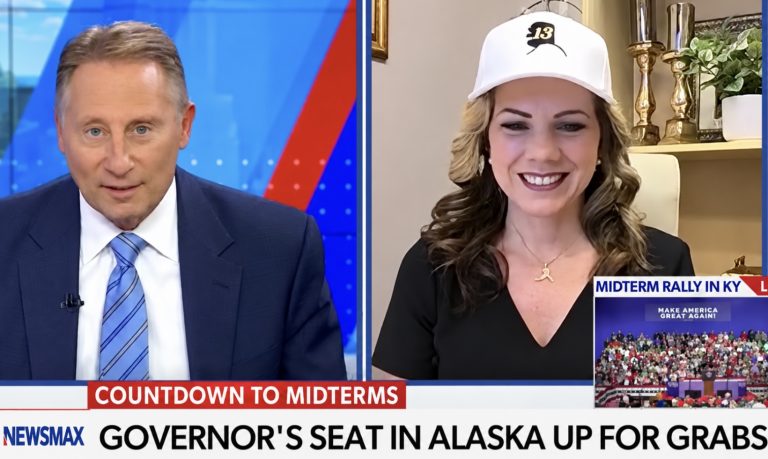
Oct. 18, 2026 – While Alaska voters decide whether to scrap ranked-choice voting on Nov. 3, voters in Hawaii’s largest population center will consider moving in the opposite direction, with support from some familiar national election-reform advocates.
Honolulu’s Question 5 would establish ranked-choice voting for mayor, City Council, and prosecuting attorney. The City and County of Honolulu encompasses Oahu, Hawaii’s most populous island. The proposal is one of 20 charter amendments before its voters this November.
The campaign has attracted support from FairVote, the national organization that promoted and funded passage of Alaska’s adoption of ranked-choice voting, along with the Indivisible Hawaiʻi Statewide Network, which explicitly endorses Question 5. My Vote Counts Hawaii is the organization leading the local “Yes on 5” effort.
The two Pacific jurisdictions face different decisions: Alaska is reconsidering the controversial and contentious system it has used since 2022, while Honolulu is considering adopting a version for its nonpartisan municipal elections.
This year, Alaska’s Ballot Measure 2 would repeal the state’s top-four primary and ranked-choice general elections, restore party primaries, and repeal or amend campaign-finance provisions adopted with the original 2020 initiative.
A yes vote supports repeal. In Honolulu, a yes vote supports adopting ranked-choice voting.
If Honolulu voters approve Question 5, the change would take effect no earlier than 2032. The proposal would still require authorization from the Hawaii Legislature.
That condition followed advice from Honolulu’s Corporation Counsel that state law must change before the city can proceed. FairVote and state Senate Judiciary Chairman Karl Rhoads dispute that interpretation, arguing counties already have authority to choose the method for their local elections. Nevertheless, the authorization requirement remains part of the proposal.
Under the proposed system, races with two to five candidates would proceed directly to November. With six or more candidates, an August ranked-choice election would narrow the field to five for November. An unopposed candidate could still be elected in August.
Voters could rank up to five candidates but would not have to use every ranking. If every candidate a voter ranks is eliminated, that ballot would stop counting in subsequent rounds.
When advocates promise “majority winners” it is not quite truthful: A winning majority can be a majority of the ballots remaining in the final count, rather than a majority of everyone who originally voted in the race.
The Honolulu Charter Commission voted 10–3 on July 20 to send the proposal to voters. FairVote also provided testimony supporting the change.
Indivisible’s Hawaii’s other endorsements include establishing a permanent LGBTQIA+ commission and restricting Honolulu police participation in federal immigration enforcement.