By SUZANNE DOWNING
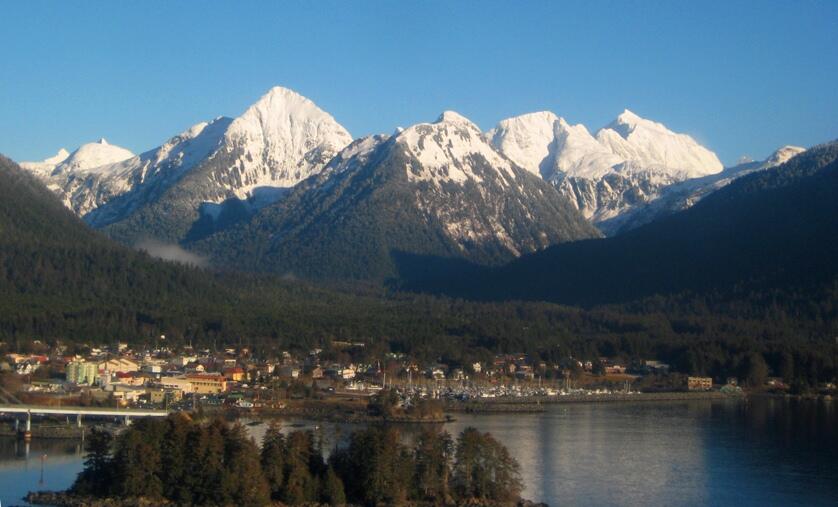
Sept. 21, 2026 – Sitka has more jobs than it did a decade ago, but fewer residents in their prime working years to fill them. A new report on Sitka’s economy shows how heavily the community now relies on workers who live elsewhere.
The Sept. 16 report, prepared by Rain Coast Data, estimates that Sitka had 6,130 jobs in 2025, up about 150 from the year before. Employment-related earnings rose 10% to $414 million. Yet the number of residents ages 19 to 59 fell from 5,096 in 2014 to 4,221 in 2025 — a loss of 875 people in that age group while the local economy added jobs.
Nearly half of Sitka’s workers are classified as nonlocal in the report’s most recent residency figures, which are from 2024. Its chart shows about 40% were residents of other states and another 6% were Alaskans living outside Sitka.
The report puts the number of out-of-state workers at roughly 2,660 and their wages at $68 million. It cautions that its nonresident category can include people who have recently moved to Alaska but are not yet eligible for a Permanent Fund Dividend.
The figures describe workers over the course of a year, while the report’s job total is an annual average that also includes estimates for self-employment and active-duty Coast Guard personnel. They should not be read as a count of jobs occupied simultaneously by nonresidents.
Sitka’s population edged up by 10 people in 2025, to 8,032, but the report says that was only its third annual increase in a dozen years. The population remains about 1,000 below its 2012 level. Over the same period that the prime working-age group shrank, the number of residents age 60 and older grew by about 380.
Housing presents another part of the workforce challenge. Sitka added 425 housing units from 2010 through 2025, according to the report, but the number of occupied units fell by nearly 300. Of 721 units listed as vacant in 2024, 353 were designated for seasonal or recreational use and 97 were associated with people whose current residence was elsewhere. Just 42 were listed as available for rent.
Building more housing has not necessarily meant more homes available to year-round workers. The report also finds that short-term rentals have not grown substantially in recent years; it estimates that only 15 entire-home listings were available for most of the year.
Sitka’s economy nonetheless posted gains across several major industries in 2025. Construction employment rose 18%, to an estimated 333 jobs, while seafood industry employment rose 5%, to 955. Healthcare, seafood and the visitor industry together accounted for about $202 million in employment-related earnings, nearly half the community total.
The report’s central tension is that Sitka has a smaller resident pool of working-age people and fewer occupied homes than it once did.