THE ALASKA STORY
Nearly 600,000 Alaskans will begin receiving their 2026 Permanent Fund payments Oct. 1, according to the Alaska Permanent Fund Dividend Division. Each eligible resident will receive a $1,000 dividend and a separate $200 energy relief payment, for a total of $1,200.
The first payment run covers Alaskans who filed electronically, requested direct deposit and had an application status of “Eligible-Not Paid” as of Sept. 18. A second run is scheduled for Oct. 22 for applications in that status as of Oct. 12. That run includes both electronic and paper applications, with payments by direct deposit or check. Checks will be mailed from Juneau beginning Oct. 22, so they may arrive later. The division directs applicants to MyPFD to check their status.
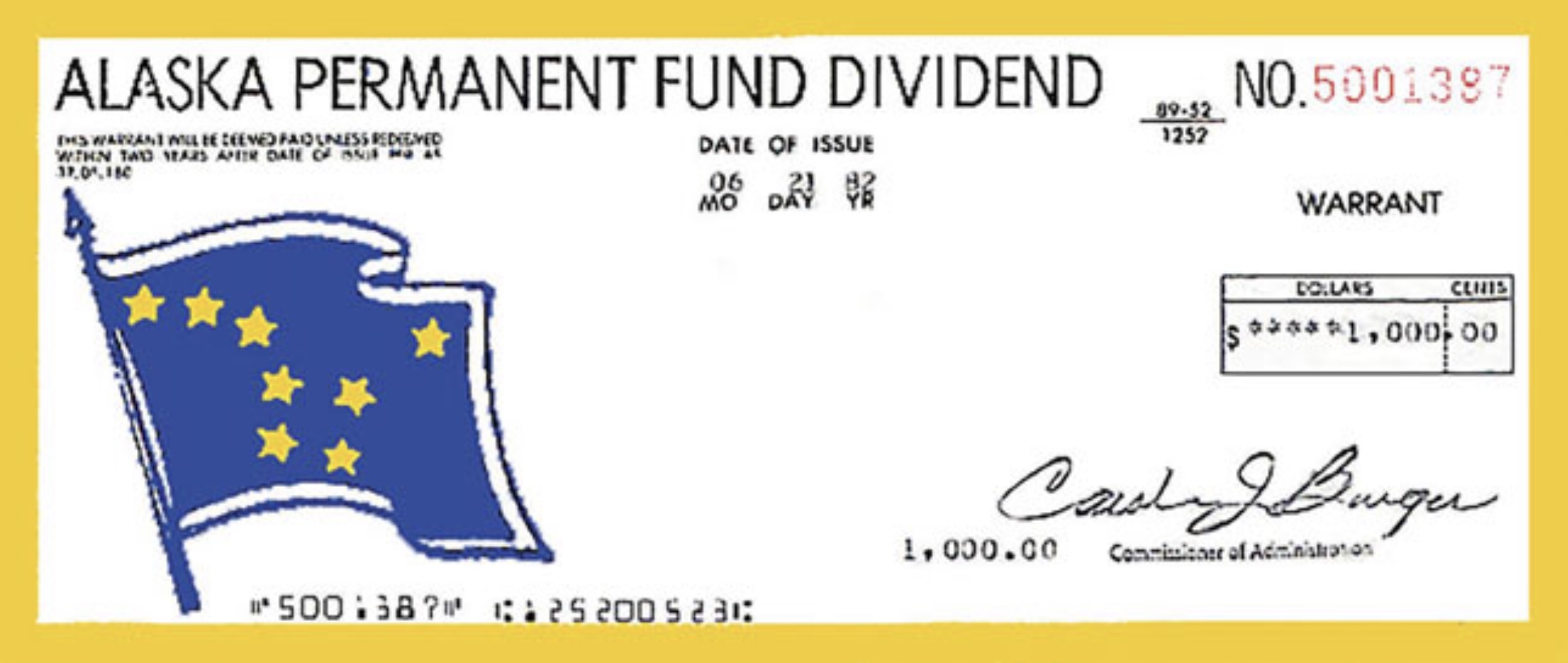
The dividend is Alaska’s annual payment to eligible residents from earnings associated with the Permanent Fund. Voters created the fund in 1976 to save a portion of the state’s mineral wealth for future generations, and the first dividends were paid in 1982. What began as a way for Alaskans to share directly in that wealth has also become an important source of money for household expenses, particularly as winter approaches and fuel bills skyrocket.
The $1,000 dividend for 2026 was set by the Legislature in House Bill 263. The additional $200 energy relief payment follows a practice lawmakers have used in some previous years to help with high fuel and utility costs. It may be viewed as an election year vote lure. But even with that supplement, this year’s $1,200 total is far below what Alaska’s dividend formula would have produced.
This year’s dividend is the same as the dividend paid to Alaskans in 1982. If that 1982 payment kept up with inflation, it would be about $3,460 today. Today’s $1,000 has less than $300 in buying power in 1982 dollars.
The ignored formula remains in state law. Estimates considered during this year’s budget debate put a full statutory dividend at about $3,800 per eligible Alaskan. On that estimate, the $1,000 dividend is roughly $2,800 short. Even counting the $200 energy payment, the amount reaching each recipient is about $2,600 less. The $3,800 figure is an estimate, rather than an official dividend calculated and funded under the old formula.
The formula was broken first in 2016, when then-Gov. Bill Walker vetoed roughly half the money appropriated for dividends. The Alaska Supreme Court upheld the veto, ruling that dividend payments require an appropriation and are subject to the governor’s veto. Since then, lawmakers have set the payout through the annual budget process instead of funding the amount produced by the statutory formula. It’s the leftover PFD.