


By PAUL FUHS
Aug. 24, 2026 – The Anchorage Daily News recently ran an editorial “Alaska is sounding the alarm for fisheries in the US’ by Whit Fosbergh of the Forage Fish Campaign, attempting to link the tribulations of the US East Coast fisheries to Alaska. Since this is totally false from a fisheries management point of view what was the purpose?
The timing of this editorial is fishy since it seems to be intended to influence our upcoming elections since trawling has become a campaign issue and is especially being used against our Sen. Dan Sullivan.
The most important conclusion we can reach from this article is that you don’t comment on the complex issues of someone else’s fisheries without knowing what you are talking about. I wouldn’t even consider commenting on the East Coast fishery, which has been a persistent disaster for decades, since I don’t know enough about it. I would counsel Mr. Fosbergh to take this same advice and perhaps even learn something from Alaska’s management of our fisheries.
The difference between the two fisheries is stark.
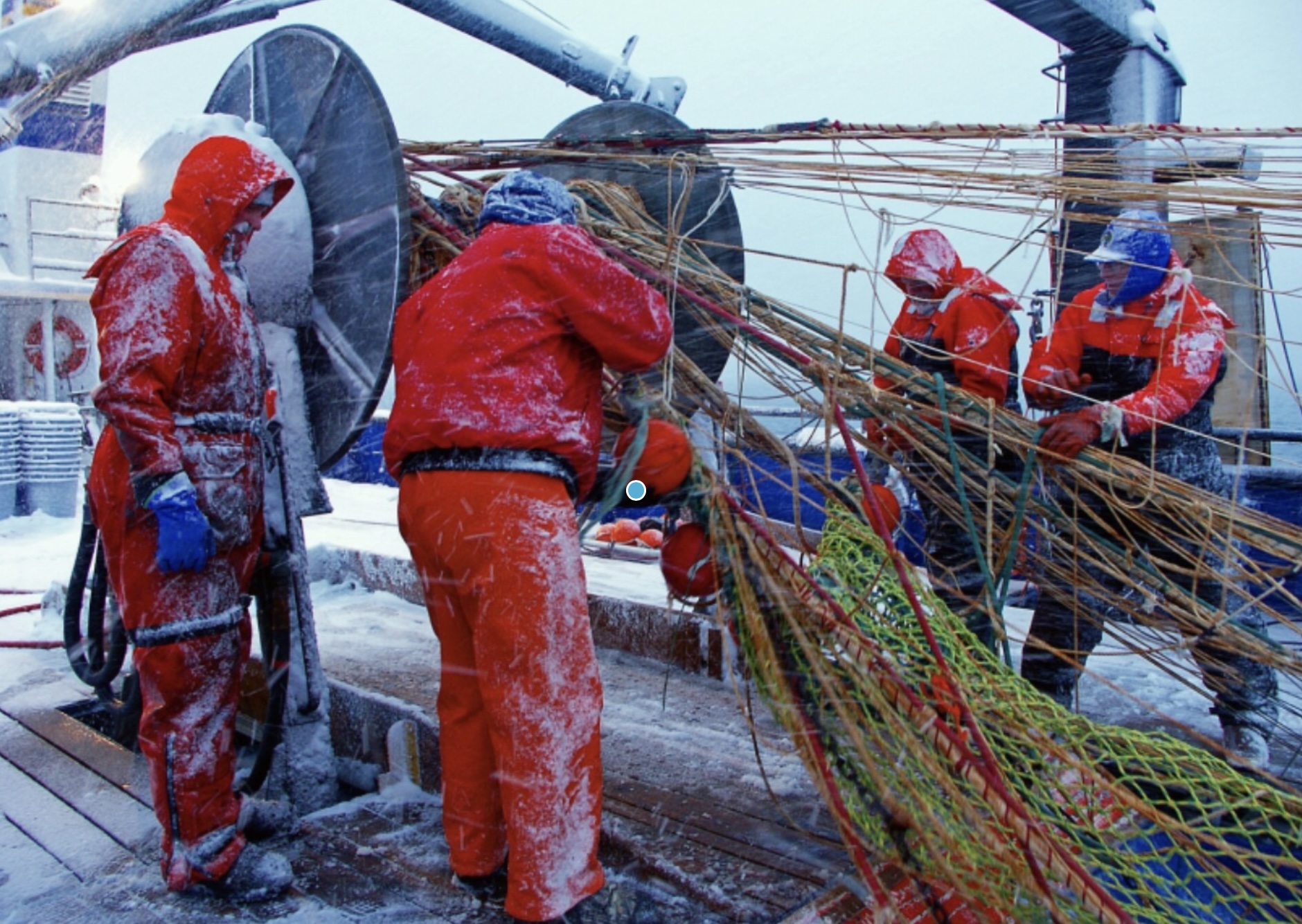
I assume Mr. Fosbergh is referencing the controversy of Alaska’s pollock trawl fleet and bycatch, which is a real issue, but has nothing to do with forage fish or the overall health of the fishery in the Bering Sea.
The pollock biomass has ranged from between a healthy 8 and 10 billion pounds over the past decades and is a result of sound management decisions. While the focus has been on the fishery, the number one cause of pollock mortalities is … wait for it … pollock. That’s right. Being cannibalistic in nature, pollock are responsible for over 50% of pollock mortalities on an annual basis, more than all other sources combined.
Next in line are marine mammals, then ocean going birds and finally humans at about 10%. While a fecund female pollock will produce about 1,000,000 seed per spawn, they have no compunctions about eating their own babies. As a result, some of the largest year classes of pollock have come from the smallest spawning biomasses, simply because there weren’t enough adults around to eat all the juveniles.
So even the commercial fishery is managed on a conservative basis as is the overall health of all species in the Bering Sea. Each specie is evaluated on how much can be taken to maintain sustainability which is technically called Total Allowable Catch or TAC. If you added up the total TAC for all species in the Bering Sea, you would come up with about 4.2 million metric tons per year.
Nevertheless, the North Pacific Fisheries Management Council has set an overall cap of 2 million metric tons (MTA) per year as an overall conservative ecosystem plan, of which pollock take is about 1.2 million MTA. This cap is also in recognition of the fact that all of these different species are eating each other, formally called trophic interactions and need to be kept in balance.
Of particular concern are Pacific Codfish (Gadus Macrocephalus) that are the pac men of the ocean floor. Open up one of their swollen stomachs and you will find juvenile crab, pollock, salmon and everything else. I once caught a 5 pound cod with a 2 pound cod in its stomach. So, you want to catch them, but bottom trawling for them is a concern, as it is for the pollock fishery where bottom dragging nets can do damage to corals, clams, crabs and other species.
This concern can be ameriolated by the use of pots to catch cod. They are brought on board alive where they can be bled and iced, improving product quality and price, and any bycatch species can be released alive without harm. This solution needs to be progressively implemented. Bottom contact by pelagic (midwater) trawl fisheries for pollock should likewise be minimized.
As for pollock bycatch, it needs to be reduced by excluder nets, trawling speed, avoidance of high take areas etc. Completely shutting down the trawl fishery would not answer the vast reduction of salmon species due to environmental changes. To compensate for these environmental affects, in river enhancement should be evaluated along with an analysis of the effectiveness of the Yukon River King Salmon hatchery in Whitehorse, Canada which has operated for many years.
Mr. Fosbergh would do well to educate himself on the facts of Alaska’s fisheries before trying to link them to the mess they have on the East Coast. I do wish them well in figuring their own situation out.
Paul Fuhs is the former Mayor of Dutch Harbor, a commercial diver in the Bering Sea and former Commissioner of Commerce and International Trade for Governor Wally Hickel.
2 thoughts on “Paul Fuhs: Don’t fall for comparisons between US East Coast and Alaskan fisheries”
Why would the east coast media bother to check facts before posting their nonsense? It has worked for them to be as ignorant as possible about every topic and bloviate anyway. They only print what the ignorant masses want to read.
The author makes some valid points, such as the trawl fleet reducing towing speeds, the use of bycatch excluder devices and avoiding high bycatch areas as meaningful mitigation efforts. One other huge mitigation method would be mandatory regulated shorter tow times, which Iceland and Norway currently implement. Also, more designated “no trawl” areas, particularly in the halibut and crab nurseries. Unfortunately, almost all of these proposals have been rejected by the North Pacific Fisheries Management Council (NPFMC), because the Council is completely captured by the Seattle based, corporate factory trawl fleet and their lobbyists and scientists. This failure to even concede to minimal conservation concerns from the public and other stakeholders will lead, ultimately, to this fishery’s eventual ban due to public pressure.