


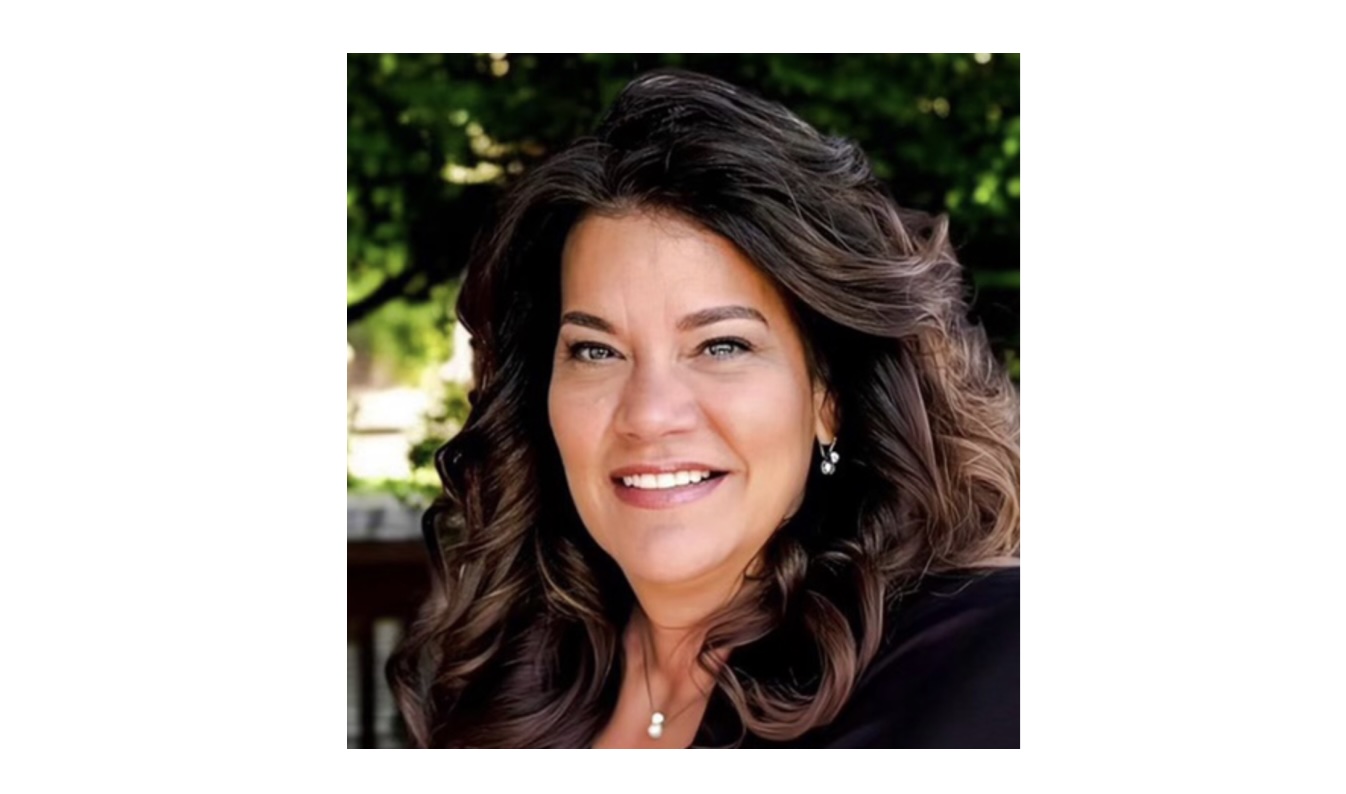
By REP. JAMIE ALLARD
Aug. 6, 2026 – On Friday, Alaska and the nation observe Purple Heart Day, honoring the men and women who were wounded or killed while serving our country in combat.
The Purple Heart is different from many other military decorations. It is not awarded for completing a mission, reaching a rank or serving a certain number of years.
Every Purple Heart carries a story. It may be the story of a service member who came home with wounds that changed the course of their life. It may belong to a service member who never came home at all. Behind every medal is also a family that received a phone call, waited beside a hospital bed or stood at a graveside beneath a folded American flag.
As a US Army veteran, I understand that those who wear the uniform need support. Their husbands, wives, parents and children support them in ways that are seldom recognized.
The history of the Purple Heart goes back to the birth of our nation. On Aug. 7, 1782, General George Washington established the Badge of Military Merit. It was a purple, heart-shaped piece of cloth intended to recognize enlisted and noncommissioned officers for unusual gallantry, extraordinary fidelity and essential service.
The original badge fell into disuse after the Revolutionary War. It was revived in 1932, during the bicentennial of Washington’s birth, under Army Chief of Staff General Douglas MacArthur and redesigned as the Purple Heart we recognize today. During World War II, eligibility was expanded to all branches of the armed services and the medal became associated specifically with those wounded or killed as a result of enemy action.
The modern medal bears Washington’s profile on a purple, heart-shaped medallion. It is awarded in the name of the president, but its meaning comes from those who earned it.
More than 1.9 million Purple Hearts are estimated to have been awarded during America’s wars. The precise number may never be known. Many were presented on battlefields, records were lost, and some service members never received the recognition they had earned until decades later.
Yet the Purple Heart recipients are not numbers, but are Americans whose bodies and minds carry the cost of our nation’s freedom.
Alaska has a special responsibility to remember them. Our state has one of the highest concentrations of veterans in the country. Thousands of military families live in our communities. The men and women stationed at Joint Base Elmendorf-Richardson, Fort Wainwright, Eielson Air Force Base, Clear Air Force Base, Coast Guard installations and other military facilities are our friends, relatives and neighbors. They worship in our churches, coach our children, operate businesses, and continue serving their communities long after leaving the military.
Alaska law officially designates Aug. 7 as Purple Heart Day. But our commitment is visible in more than a statute.
Alaska is also home to the longest Purple Heart Trail in the nation. It begins at the Canadian border and follows the Alaska Highway to Fairbanks, then continues south along the Parks, Seward and Sterling highways to Homer. The designation also includes the entire Alaska Marine Highway System.
Altogether, the trail covers nearly 900 miles of roadway and approximately 3,600 miles of marine routes.
Those signs along our highways are more than roadside markers. They are reminders that the freedom to travel across this magnificent state was purchased at a terrible price. They ask every person who passes them to remember those who went into harm’s way on our behalf.
Purple Heart Day should also remind us that honoring wounded veterans requires more than a ceremony or a social media post.
Some combat wounds are obvious. Others are carried silently. Traumatic brain injuries, hearing loss, chronic pain, and the psychological effects of combat may follow veterans for the rest of their lives. Navigating medical care, disability benefits and government bureaucracy can become another exhausting battle.
We must ensure that veterans receive the medical care and benefits they earned. We must support their families and recognize the caregivers whose lives are also changed by service injuries. And we must never allow bureaucratic delay, neglect or political convenience to stand between a wounded veteran and the help that was promised.
We should also teach our children what the Purple Heart means. Freedom is not self sustaining. Every generation inherits the responsibility to understand its cost, defend it and honor those who preserved it.
On Aug. 7, I encourage Alaskans to pause when they see a Purple Heart Trail sign. Fly the American flag, attend a local observance. Thank a recipient and listen, if that veteran is willing to share his or her story. Reach out to a military family or veterans organization in your community.
Most importantly, just remember. Remember those who returned home wounded physically or mentally as well as those who did not return. Remember the families who carried the burden alongside them.
The Purple Heart is a small medal representing an immeasurable sacrifice. Those who wear it have already given more than our nation ever had the right to ask.
On Purple Heart Day and every day Alaska honors them, remembers them and remains forever grateful.
Jamie Allard represents Eagle River District 23 in the Alaska Legislature and is a US Army veteran who is married to a veteran of Special Forces.


2 thoughts on “Jamie Allard: Purple Heart Day, when Alaska remembers the price of freedom”
It took Congressional intervention to get my dad his( the,records were lost in the St. lLouis Records Barbecue)after he died of service-connected illness. My mom received it from her Representative
Absolutely good article and thank you for putting it out there for all our Vets.