


By THE ALASKA STORY
July 27, 2026 – Anchorage property owners who rent their homes, condos, apartments or even a bedroom for fewer than 30 days have until July 30, to place their properties on a new municipal registry.
Beginning Friday, July 31, every short-term rental advertisement must display a registration number issued by the Municipality of Anchorage. That requirement applies regardless of whether the property is advertised through Airbnb, Vrbo, social media, Facebook, a private website, or another platform.
The registration mandate represents a new layer of government control over how Anchorage residents use their private property. Although registration is currently free, the municipality will collect your data, including the address of each rental, the names of its owners, its rental history, and information about how and when the property is offered to guests.
Since the online portal opened May 1, more than 1,100 owners have registered over 2,100 short-term rental units, according to the Municipal Clerk’s Office.
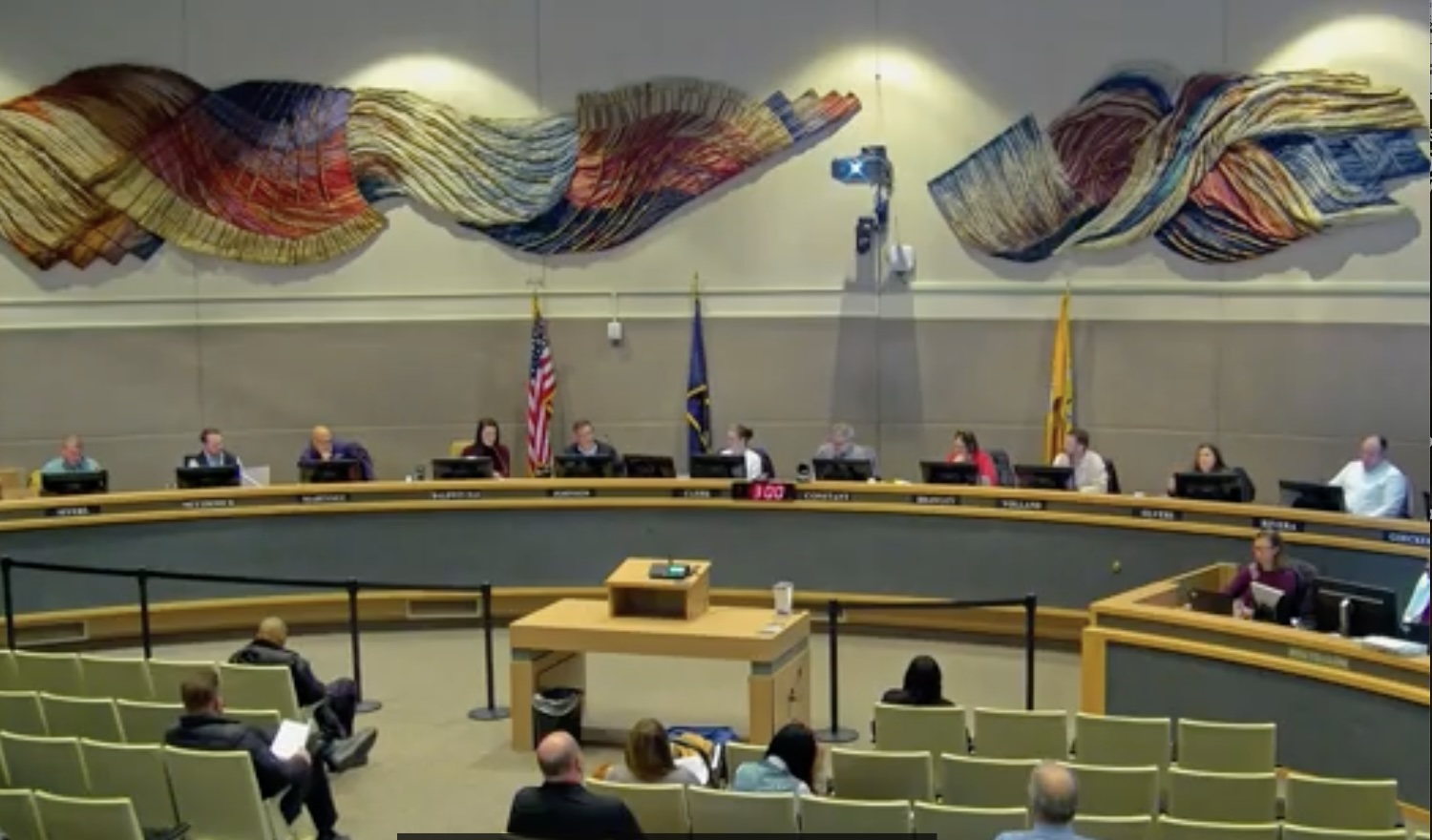
The Anchorage Assembly approved the registry in December 2025 through AO 2025-115(S-2), a socialist ordinance proposed by Mayor Suzanne LaFrance and Assembly members Erin Baldwin Day, Zac Johnson, and Daniel Volland.
Municipal officials have said the registry will give the government better data about the number and location of short-term rentals and their possible effects on Anchorage’s housing market. The registry also establishes a database that could be used to develop additional regulations in the future.
The new law defines a short-term rental as a furnished dwelling unit, or a portion of one, rented for compensation to a person or group for fewer than 30 consecutive days. Even one-time rental events are covered.
Owners must provide the municipality with the street address of the rental and identify whether the unit is a bedroom, house, townhouse, duplex, condominium or another type of dwelling. They must disclose whether the owner lives on the property, whether the rental is available seasonally or throughout the year, and whether it has been rented to the same person or group for 30 days or longer during the past year.
The municipality also requires the names of the property owners and the name and telephone number of a local person responsible for the rental. Applicants must affirm that the information they submit is true, correct and complete.
Previously permitted bed-and-breakfast operations are also subject to the registry.
After approving an application, the Clerk’s Office sends the owner a registration certificate by email containing a unique municipal STR number. Starting July 31, that number must appear on every listing or advertisement for the unit. Operating a rental without registering it, or advertising one without displaying its municipal number, will violate Anchorage code.
Short-term rental owners and travel-industry representatives had asked the Assembly to extend the registration grace period into October, after the busy summer tourism season. The Assembly did not change the July 30 deadline.
Instead, members adopted AR 2026-213, as amended, on July 21, urging municipal agencies to emphasize voluntary compliance before imposing fines.
Under existing code, an owner who receives a notice of violation ordinarily has 14 days to register before fines may be imposed. The Assembly’s resolution recommends that, through Sept. 30, unregistered owners receiving violation notices be given up to 30 days to comply. If an owner registers within that period, the resolution recommends that any fines already imposed be dismissed or withdrawn.
The resolution is policy guidance rather than a change in municipal law. It does not postpone the registration requirement, authorize owners to continue advertising without a registration number or guarantee that enforcement action will not occur.
In adopting the resolution, the Assembly said the registry was intended to collect information rather than discourage short-term rental operations. But the information collected — including property locations, ownership, occupancy and rental patterns — will give municipal officials a detailed picture of privately owned homes being used for short-term lodging.
For now, the registry is free. The ordinance requires owners to review their registration information annually and either update it or affirm that it remains accurate.
Registration can be completed at www.muni.org/str.



6 thoughts on “Anchorage short-term rental owners face July 30 registration deadline”
Taxes and regulations: The two biggest enemies of business. And, the city of Anchorage loves both of them.
The registration data will now make collecting future revenue from the owners easier if they know how many properties and rent is collected.
But just like an illiterate socialist they are, they don’t realize however much a landlord collects in rent doesn’t mean he personally collects it and adds it to a take home pay for himself. He may be paying Enstar, Chugach, Refuse removal, landscaping and snow plowing services, and remodels.
Socialists don’t understand beyond what someone has taken in doesn’t reflect what they actually have.
For example a business owner who in assets and ownership has 6 million in profits. His annual earning may be just a 100,000 paycheck while the millions go into business and employee expenses. Meaning he doesn’t have much to be taxed or to be taken from government leaders. But to a socialist they fixate their attention on the six million.
STR tax in 3… 2… 1…
Wouldn’t be surprised or sad to see some form of nullification through noncompliance…
.
Might be helpful to make contracts for 31 days with agreement to rebate time not used…
.
May need to rethink this if, say, twenty illegal aliens show up, rent the place long enough to register to vote …like they almost got away with doing in the Great Alaska. LeDoux Vote Experiment …but otherwise, why not?
Through the twisted minds of the Communist Assembly they can easily justify a tax on all these rental beds as another tool to support their massive and growing “nonprofit” homeless industrial complex the very same way they use alcohol tobacco and marijuana tax to boost the sales as well as using their “clients” as panhandlers taxing motorists and pedestrian traffic.
There is also a benefit to the tourism business as tourists dont have to travel far to view the wildlife as it is now citywide near most business and population areas 🙂
Here’s how these people think: if you make some money, somehow it’s automatically their money too. But they keep denying that they are communists……..